


Embracing curls, history and self
Story by Libby Simpson
Photos by Kaitlyn Webb
Design by Emilia Lis
Editor’s Note: This article was originally released in Issue 20 of the WKU Talisman print magazine. Click here to read more articles from the Talisman’s semesterly print.
From wigs and bold colors to natural curls, hair tells different stories for different people.
Rylee Robinson, Champagne Killer, Jaden Cardenas, Courtney Ingram and Salem Hollow each shared stories about their hair with Talisman, describing how it connects to culture, family traditions, gender identity and personal change.
Rylee Robinson
Rylee Robinson from Bowling Green said she and her siblings were placed in foster care in 2005 at 7 years old after her mother was declared unfit to take care of them. Over the span of seven years, Robinson moved into multiple foster homes, where she says she struggled with her identity.
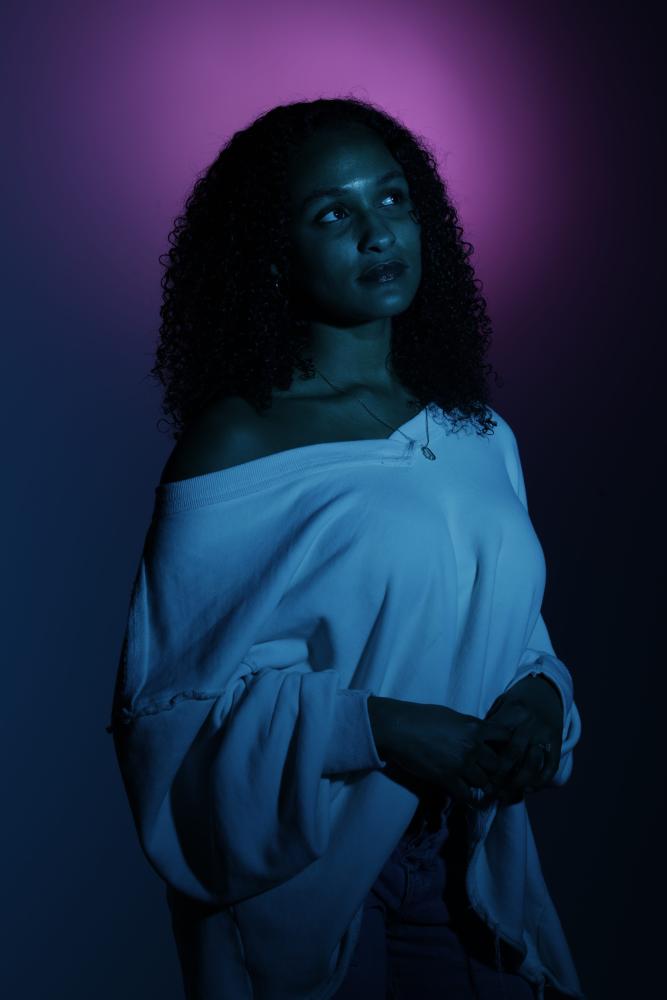
straightening her hair and wear her natural curls. “It has
been one of the most freeing parts of aging for me,”
Robinson said.
“I wanted to look like the families I was living with, and I wanted to look like my foster siblings and my friends,” Robinson said. “I just never, as a young child or a teenager, had any confidence in my natural hair.”
Robinson said she felt like her hair was unkempt compared to the white families she lived with. Even as she entered adulthood and became a student at WKU, she said she still felt self-conscious about her hair.
“I felt like I looked crazy,” Robinson said. “I felt like I didn’t look put together, which is an insane thing to say about the hair that grows out of your head.”
Now in her late 20s, Robinson said her feelings about her hair have totally changed.
“I love my hair, and I do braids,” Robinson said. “My relationship with my hair has drastically changed and improved.”
Robinson said she also thinks her newfound confidence has developed with her age.
“All of the major events that I went to in high school, like prom and cotillion, it [her hair] was always straight,” Robinson said.
Now recently engaged, Robinson said she plans to wear her natural hair for her wedding.
“One day I want to have children, and if I have biological children and they have hair like me, I want them to see that I’m not uncomfortable just wearing my hair the way that it grows out of my head right now,” Robinson said.
Robinson said now that she has more confidence in her natural hair, she feels more confident in her racial identity as a Black woman.
“I feel like loving my hair has made me love my Blackness, and I have so much pride in that, unlike how I did when I was a teenager,” Robinson said.
Champagne Killer
Chasen Igleheart, who has preferred to go by their drag queen name, Champagne Killer, since 2018, said hair is a key aspect of drag and something that must be near perfect for each drag performer.
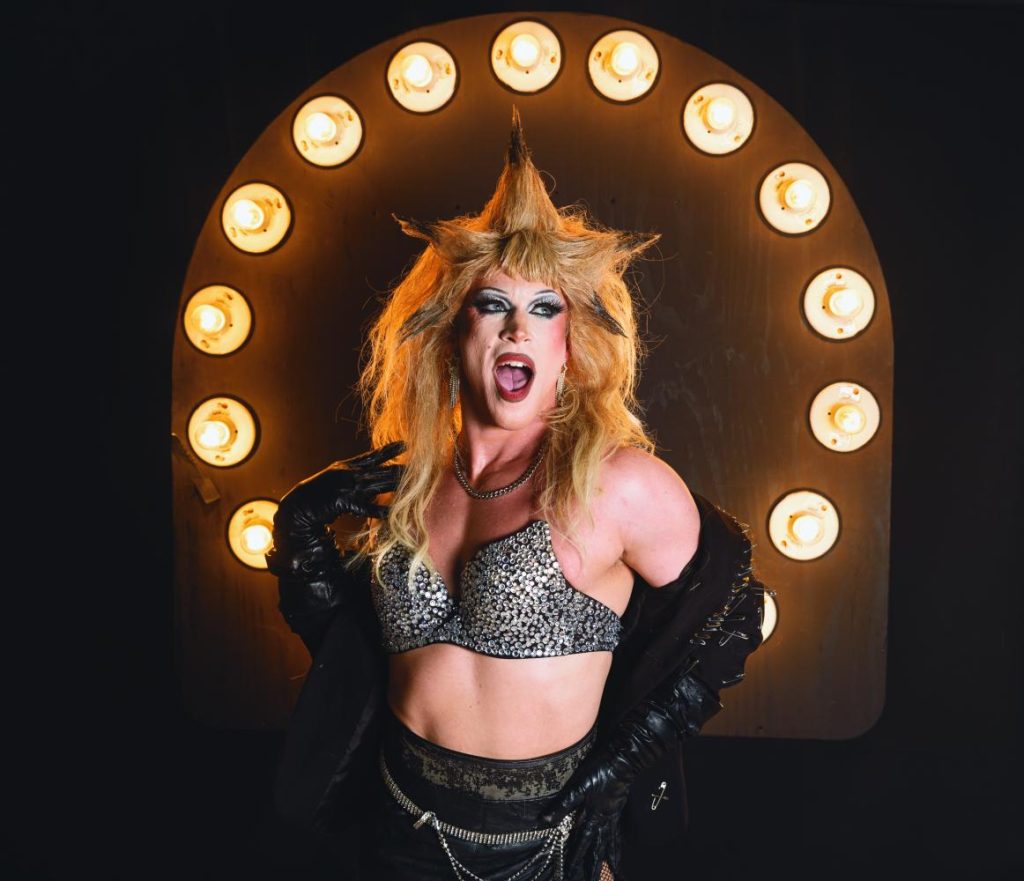
Champagne Killer said that, like most drag queens, they make their own wigs for each of their outfits.
They said that their wig-making skills stem from spending time in salons as a child with their mom and grandparents.
“We’re a hair family, and my own hair, when it’s not in a wig, it’s got something going on,” Champagne Killer said.
Champagne Killer said they grew up in Muhlenburg, Kentucky, and they have identified with the LGBTQ+ community their entire life.
“I came out in high school,” Champagne Killer said. “I was in theater all of the time, so I was already kind of around aspects of drag.”
Champagne Killer said when they first moved to Bowling Green at 19 years old, they surrounded themselves with a radical queer community in Tennessee.
“That’s where I saw my first transgender bodies, first group love and had my first psychedelic experience,” Champagne Killer said.
Champagne Killer said they were never interested in doing drag until they moved to Austin, Texas, after college. They worked in the city’s alternative drag scene as a props assistant, which included non-traditional drag shows themed like horror and Dungeons and Dragons.
“I was like, I’ve never wanted to do drag before because I didn’t want to look like a girl, but I did want to perform,” Champagne Killer said. “Drag became a vehicle to do that.”
Champagne Killer said many of their drag outfits are inspired by the ’80s style that the women in their life wore growing up.
“My mom was very ’80s, and so was my grandma; that was their height of fashion,” Champagne Killer said. “When I started doing drag, I was pulling from the ’80s women. I think the ’80s in general are great for drag.”
Champagne Killer said their mom and grandmother serve as a big inspiration, especially for their wigs.
“My mom’s hair is always done up, and my grandma’s hair is always done up, so that in itself is kind of connected to my family,” Champagne Killer said. “Connecting to my family and just this sort of like this sense of identity that females have in the South, or just females in general about hair, I think is really special and connects me.”
Jaden Cardenas
Born on a military base in San Antonio, Texas, 18-year-old health sciences major Jaden Cardenas said that he never knew anyone too long in school.
“You show up, maybe you know someone for the year, and then they’re gone,” Cadenas said. “New people come, and then they’re gone.”
He said change has always been prevalent in his life because of how he grew up, and he often reflects that in his hair.
“I get bored really easily, and that might come from the constant change of scenery and constant change of people,” Cardenas said. “I can’t stay with a hairstyle for more than a couple of months.”
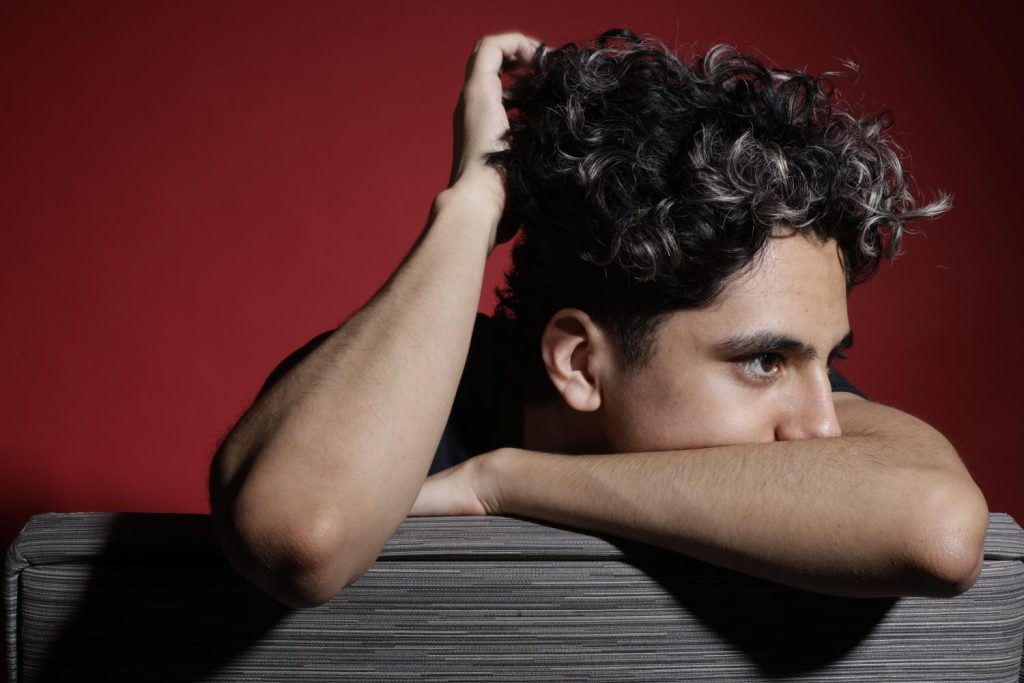
From haircuts to hair dye, Cardenas said something with his hair is always changing. Cardenas said he doesn’t always think about what to change next, but it’s something that just naturally happens over time.
“I think doing my hair, always caring about how my hair looks and always wanting to change it, got me more into caring about other things,” Cardenas said.
He said that the only thing that has stayed the same about his hair over the years is the use of rosemary oil.
“My mother, when I was a child, rubbed my hair down with rosemary oil so it kept my hair nice,” Cardenas said. “My grandmother, she did the same thing.”
Cardenas said even though he doesn’t use the rosemary oil as much as he used to, it remains part of his routine.
“It’s a nice constant to have when I’m constantly changing my hair routine.”
Courtney Ingram
After being diagnosed with hyperthyroidism in 2010 at 17 years old, a condition in which the thyroid gland fails to produce enough essential hormones, Courtney Ingram from Hopkinsville, Kentucky, said she experienced hair damage.
Ingram said her condition was a factor in her decision to start fresh and cut off her hair.
“So I was like, maybe this is an opportunity or an excuse to just try it, because you need to chop your hair anyway,” Ingram said.
Ingram said cutting off her hair was a fresh start and forced her to accept herself without her long, straight hair that she once found confidence in.
Ingram said her grandmother encouraged her that, as a Black woman, her natural hair meant more than beauty. It was a symbol of freedom and cultural identity.
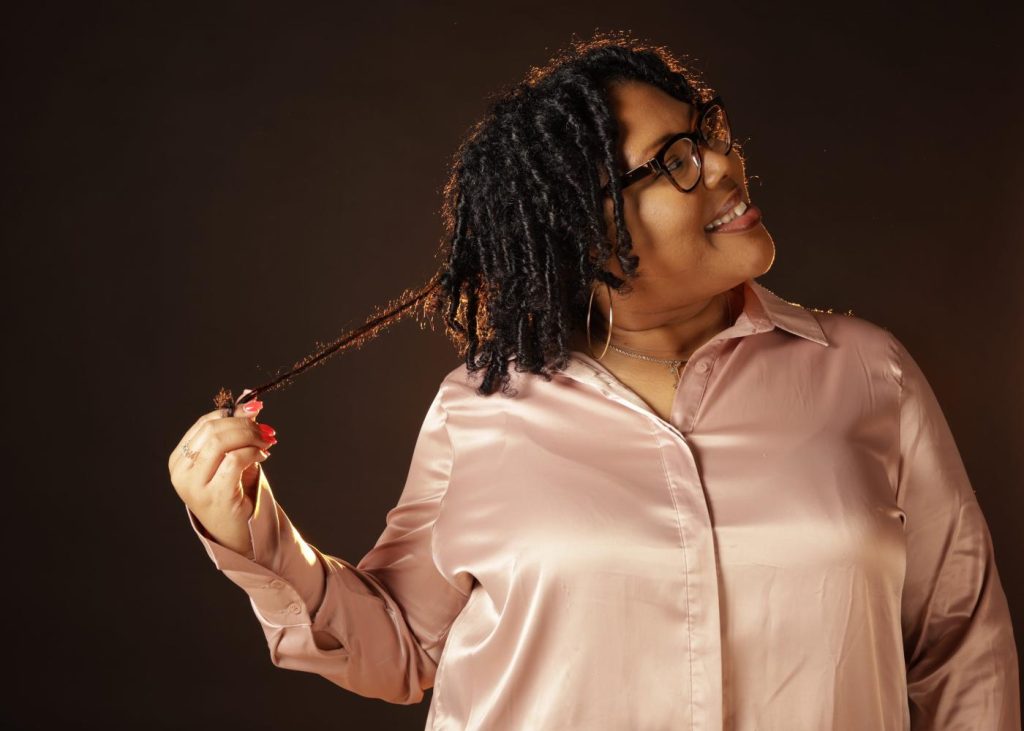
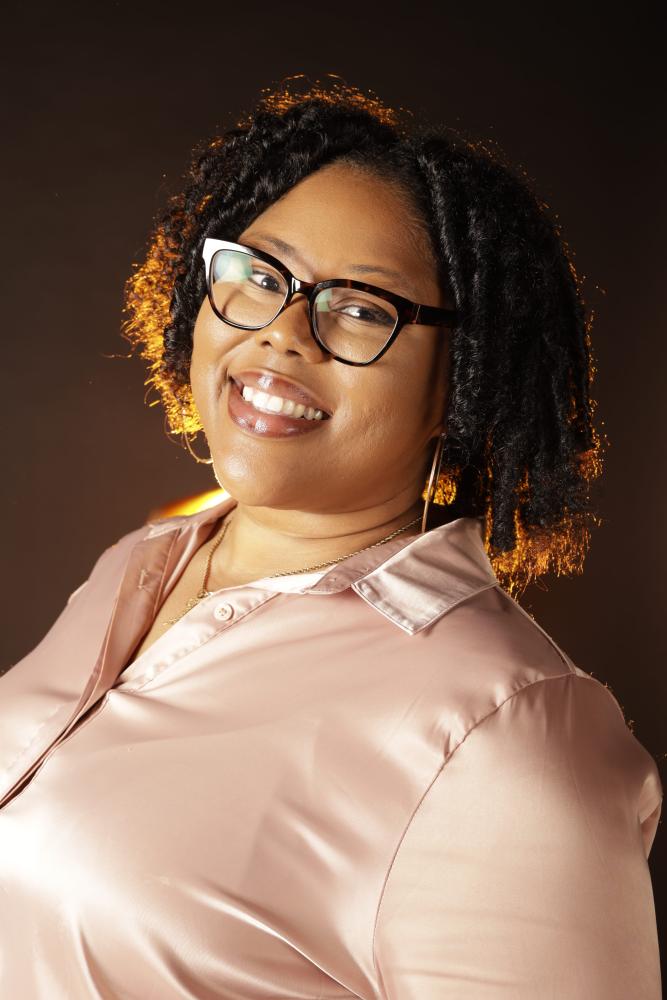
“I’ve accepted it as one of those things that will change,” Ingram said. “You have to be okay with this, and you have to embrace it at all stages.”
Ingram said she often thought about the past struggles Black women faced in society and the workplace when it came to their hair.
“Women like us didn’t have the option to wear their hair out or wear their hair the way they wanted to,” Ingram said. “So I try to wear it big, and I try to wear it bold.”
Ingram said that once she started wearing her natural hair, she began to adapt to change more easily.
“I wanted to be in a comfortable place, and I didn’t want to move outside of those bounds,” Ingram said.
Ingram said the smell of coconut is nostalgic for her because it was prevalent in her childhood.
“Growing up, I would avoid the smell of coconut in fragrances or lotions or any kind of product because it would always smell like hair grease,” Ingram said. “One day, a friend randomly was like, ‘It smells like hair grease because coconut is in hair grease sometimes.’”
Ingram said her friend helped her realize the correlation between the smell of coconut, which is used in many African American hair products, and getting her hair done.
For the longest time, Ingram said, her hair was something she lacked appreciation for. It wasn’t until she realized the importance of Black women’s hair that she truly felt confident in who she was.
“I think with having to embrace my hair and accepting that it’s just going to change and be different over time, it kind of opened my mind and eyes to being okay with change in other aspects of life,” Ingram said.
Ingram said she hopes to pass down the confidence she found in herself to her nieces and future children.
Salem Hollow
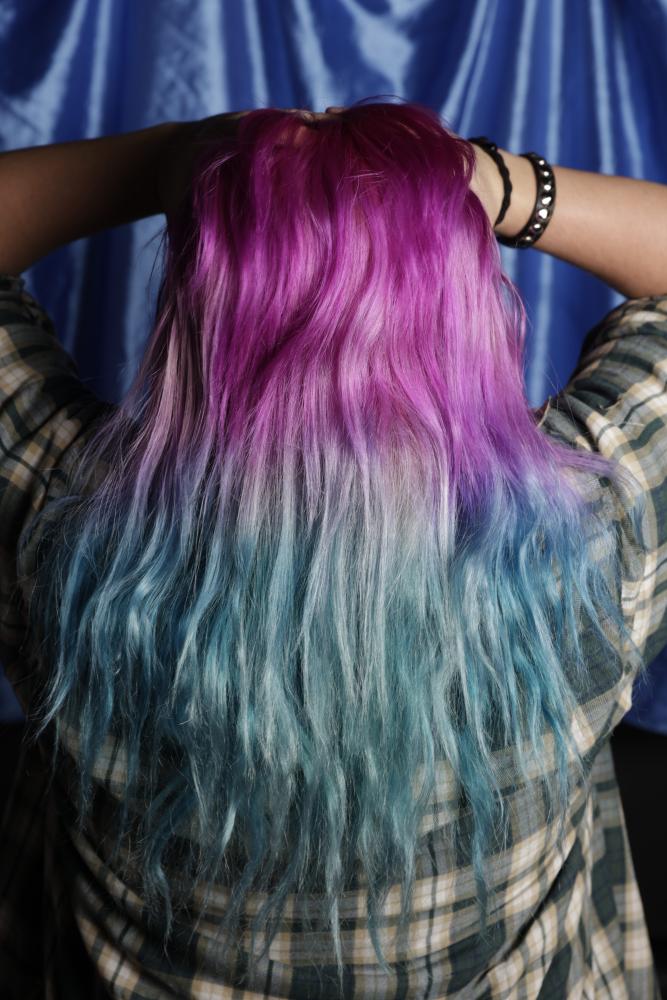
Salem Hollow, from Bowling Green, said their hair has always been an outlet for expressing their gender identity.
“My dad let me grow my hair out and cut it,” Hollow said. “That was the first way that I started to express my gender identity.”
Hollow said they feel that as their hair changes, they change with it.
“It’ll stay a color for a while, and then after I run out of that color, I switch it up and go to a new one,” Hollow said. “It’s like a reflection of myself and who I am as a person because I always change.”
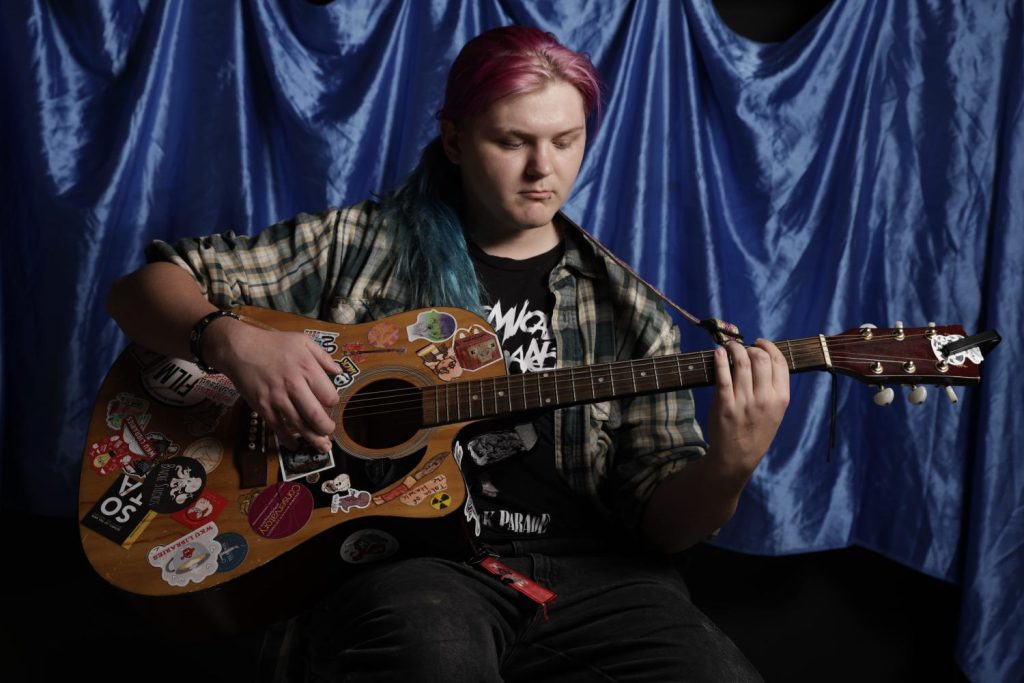
Hollow said their hair helped them find motivation in their daily life, and it has become an outlet for self-expression.
“For the longest time, the only way that I could express myself through body modification was dyeing my hair,” Hollow said. “Dyeing my hair was my favorite way to express myself.”
Hollow said that because of their hair, they now look at the world a little differently each day.