


Story by Diego Alcaraz-Monje
Photos by Ella Oakley
On Tuesday, March 24, the Tim and Sarah Ford Fieldhouse opened its doors with a ribbon-cutting, unveiling the 122,000-square-foot building to the campus community. According to the WKU Athletics website, the Fieldhouse houses dedicated training spaces for various groups and teams within WKU.
Recognition: Varsity Esports
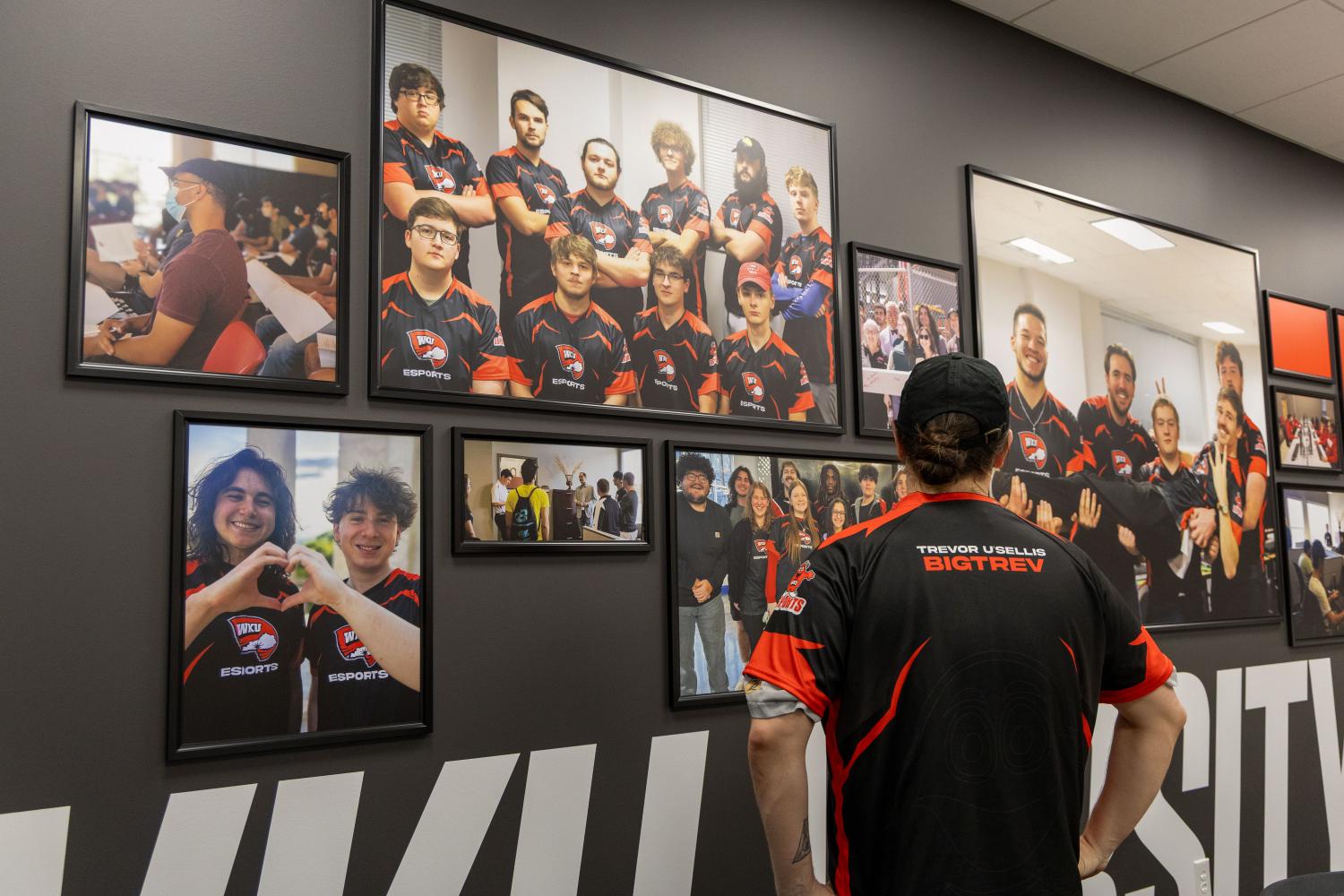
Trevor U’Sellis, a senior visual studies major with a graphic design concentration and UX certification from Louisville, said that having a space dedicated to the Esports team to practice and come together was something they never thought would happen.
“This is a new, permanent place where Esports as a whole can come together and actually enjoy it and be proud of ourselves,” U’Sellis said.
According to their website, WKU’s Esports has been on campus since 2016, and consists of four separate teams: “Overwatch”, “League of Legends,” “Rocket League” and “Valorant”. U’Sellis said he has been on the Esports team for two years, currently serving as the team captain for the “Overwatch” team.
U’Sellis said that as members of the teams, students are required to meet three times a week to practice for at least two hours. Previously, he said the Esports Arena was located in McCormack Hall, under an awning on the side of the building.
“It was kind of shoved away in a basement for a long time, and that was the issue,” U’Sellis said. “There’s no signage, there’s no [indicator] of where the Esports room is.”
Inside McCormack, U’Sellis said the old practice space was a small, singular room housing their equipment, with few windows and a lack of air conditioning. He said that because of this, the team would have issues regarding balancing which teams were practicing, with teammates often being “scrunched together.”
U’Sellis also said that the room was locked 24/7 unless a coach was present with a key. He said this made it hard for members who didn’t have access to nicer computers or facilities to practice outside of the arena.
He said that the roughly 24 computers they have been practicing and playing on have been with them for at least four years or have been slowly upgraded.
“[At] any given moment they could not work,” U’Sellis said. “We’ve had wires go out on us. We’ve had mice and keyboards go out on us. We’ve had monitors stop working, so it’s been a very rough situation.”
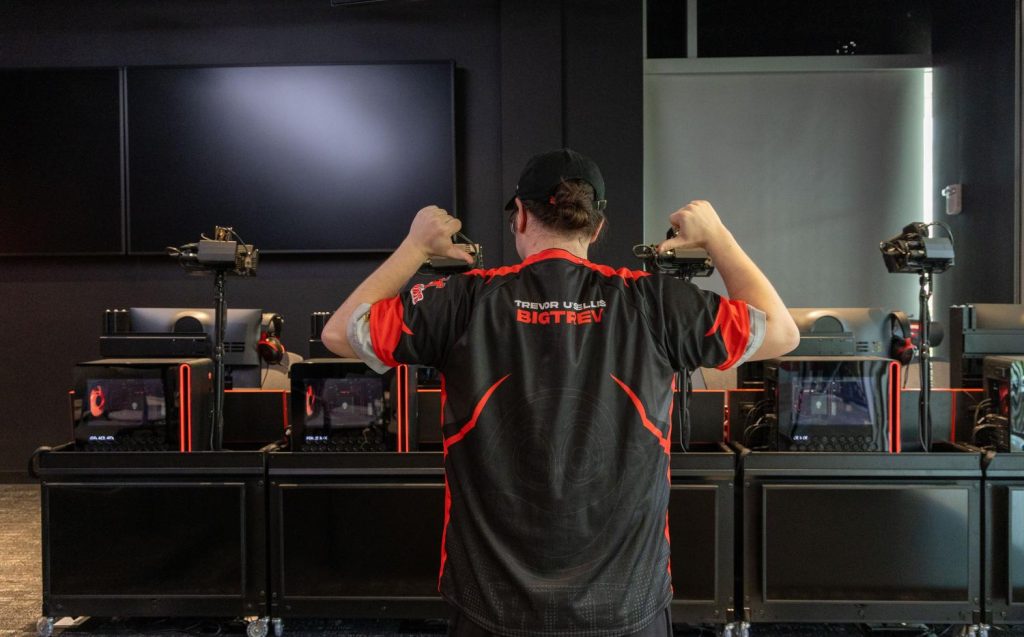
Because of the circumstances of the arena, U’Sellis said that the team has been long overdue for a new room.
“I feel like a lot of our players felt like they were shackled down by this old space and this old hardware,” U’Sellis said.
U’Sellis said he felt like the new facilities for Esports in the Fieldhouse were “night and day” compared to the space in McCormack.
“Seeing it in person and actually sitting down and playing is so freeing,” U’Sellis said.
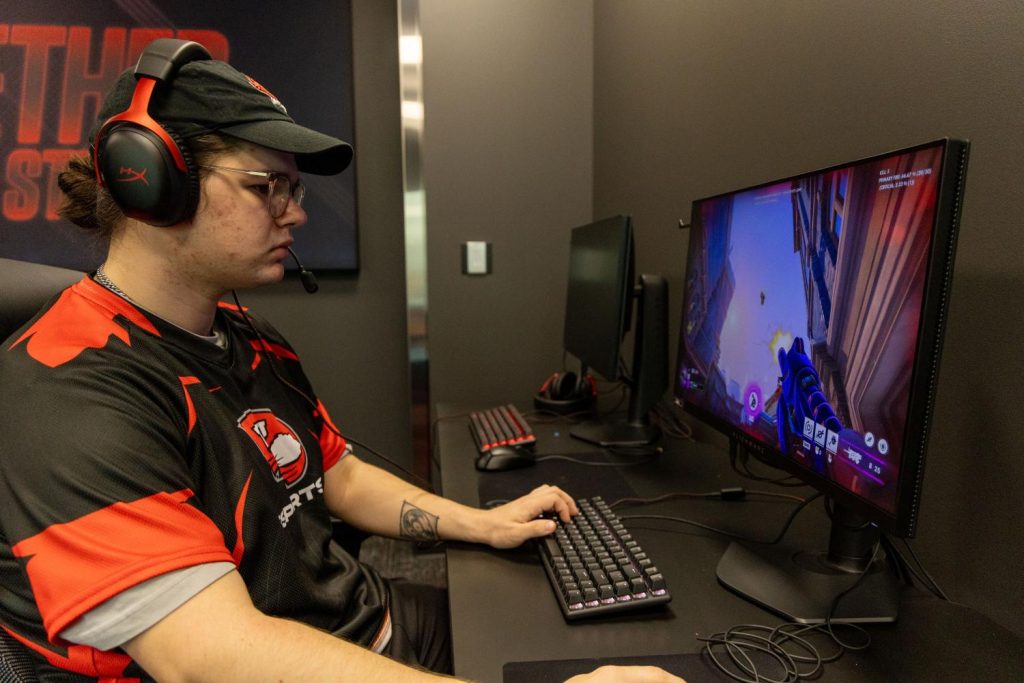
Inside the Fieldhouse and covered in large windows, Esports has dedicated soundproof rooms for each team, personalized with a quote from characters in each respective team’s games. Each room features 10 new, up-to-date computers installed with the games team members need. This allows each teammate to have their own space and technically their own computer.
“Teams can come and go as they please, now, whenever they want, and practice separately instead of being all together,” U’Sellis said.
The space also features a community area, lockers for students to store personal video game gear like keyboards and mice, and a streaming area with ringlights, televisions and a seating area for spectators.
“The ability to be able to go into this space and have a big area that not only is comfortable, but also open, has been great on not only team morale, but team ability to practice,” U’Sellis said.
U’Sellis said the new space allows more than flexibility. Since it is open for Esports members to enter until 8 p.m., he said it also provides resources for people who are interested in the sport but can’t afford the technology to play.
“It kind of gives anybody and everybody the ability to actually participate, rather than just closing it off to you having to have a PC, you have to be able to practice at home,” Usellis said.

Since the opening of the Fieldhouse, U’Sellis has noticed that there’s already been an increase in people interested in Esports.
“Esports lacks in advertising and lacks the ability to get the word out there, and I think this fieldhouse is going to be a great way for that to be boosted and elevated,” U’Sellis said.
U’Sellis hopes that the Fieldhouse continues to give visibility to the Esports team and allows it to grow.
“It feels like we’re finally getting a little bit of a spotlight that we kind of, I think, deserve,” U’Sellis said.
Consistency: Big Red Marching Band
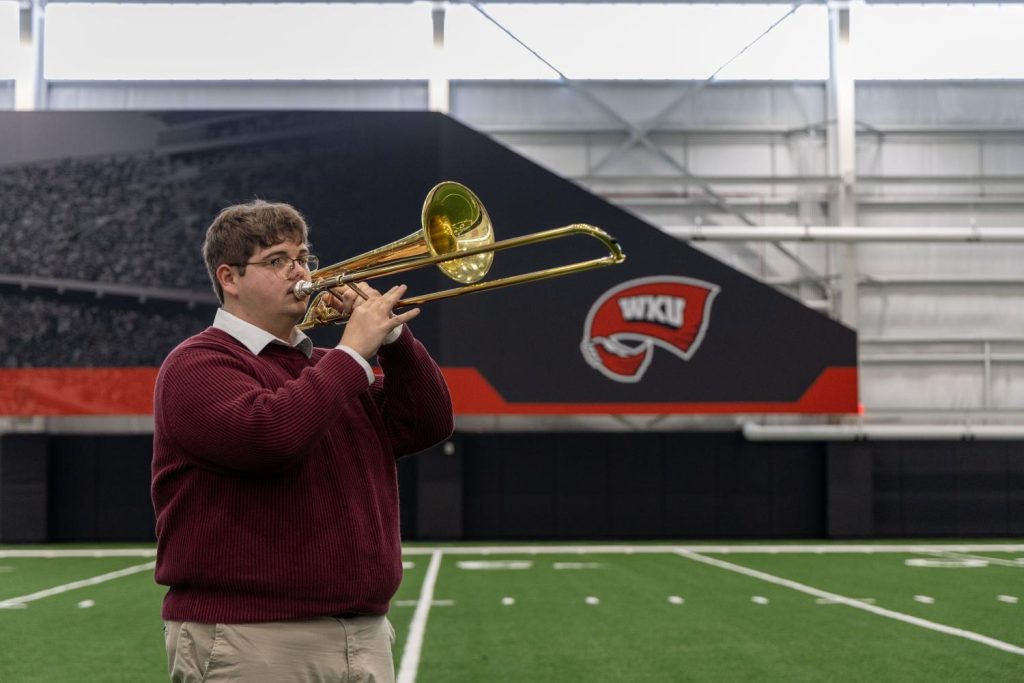
Kian Raleigh, a junior instrumental music education major from Cincinnati, said that he was on the fence about returning to the Big Red Marching Band next year. However, he said the new Fieldhouse was one of the factors keeping him playing.
Transferring from Northern Kentucky University in his sophomore year, Raleigh said he has spent his time at WKU playing in and then leading the trombone section of the marching band.
“It’s like a beacon of hope in a way, it’s something I’m looking forward to, to keep it fresh,” Raleigh said.
Since he has been a member, BRMB would practice their marching about twice a week at Houchens-Smith Stadium and rehearse their music on South Lawn once a week.
Raleigh said both spaces worked most of the time and typically effectively arranged scheduling, having ample space to practice and put instruments. However, he said that there were sometimes problems regarding securing practice spaces.
He said Smith Stadium’s availability would depend on the practices of the WKU Football team since both needed to use the field, and would sometimes have limited time to rehearse.
“There were routinely days where we would start in the stadium, and then we’d get moved so the team could have the field because that was their place to practice,” Raleigh said.
Raleigh said the practices on South Lawn were oftentimes dependent on the weather, which was detrimental to the band and their performances.
“The surface on South Lawn is poor,” Raleigh said. “We’ve had to cancel rehearsals even [because] it rained earlier in the week.”
Alongside the effects of the weather on the field, Raleigh said that being susceptible to the elements because of outside practices was a drawback.
“The heat gets to people; the heat gets to me,” Raleigh said. “As important [as] it is to be out in the heat and get used to getting conditioned, it is so hot; it’s miserable.”
Raleigh said that it is very common for band members to pass out and get sick due to the long outside practices, as well as getting rained on or snowed on.
The new Fieldhouse holds an 87,000-square-foot indoor training facility reserved for the marching band, as well as WKU Athletics, Intramurals and the WKU community. According to the WKU Athletics website, the Fieldhouse will eventually include a full 100-yard turf field reserved for their practices, as well as a dedicated storage and support space.
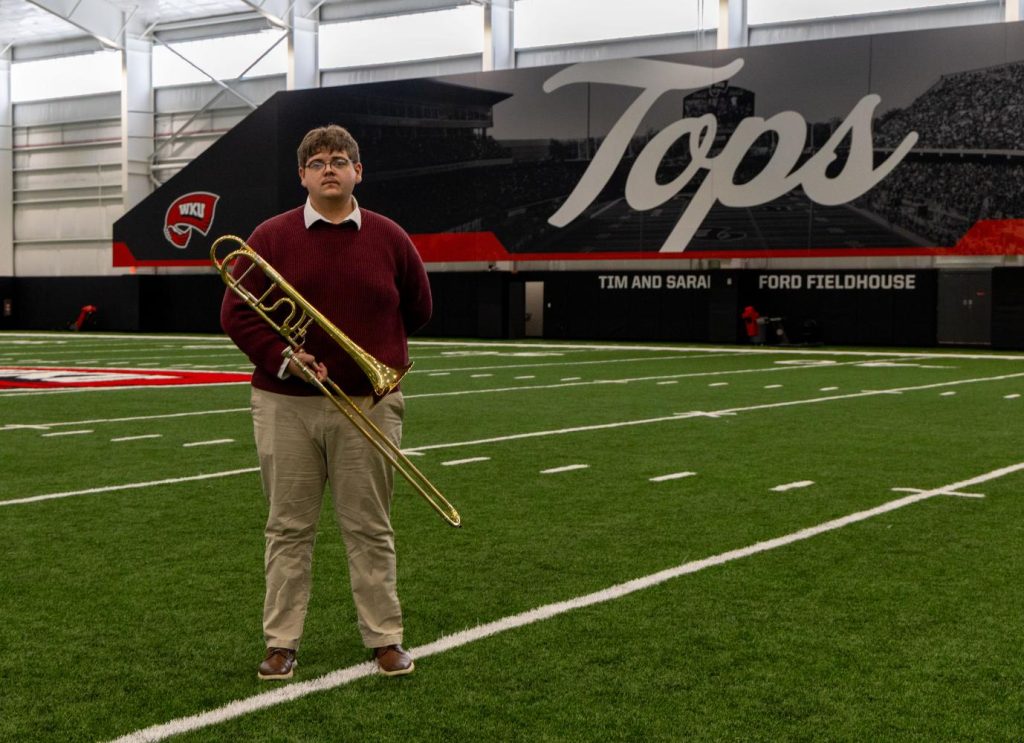
“It’s a nice, nice facility, and I think that it’s going to do everybody some good to rehearse in a nice, fancy indoor space, as opposed to getting rained on or dumped on by snow [or] sweating and overheating,” Raleigh said.
He said for the band, the biggest advantage of the field is being able to have a full field three days a week to rehearse visuals and music.
“It’s another day we can rehearse visual stuff if we need to, we have the option to change that,” Raleigh said. “We’re not limited to just music on one day of the week anymore.”
Although the BRMB won’t get to use the space until practice starts in August, Raleigh and other members of the marching band said they are excited to use the space.
“[The Fieldhouse] is something big for us,” Raleigh said. “It’s not just for us, but to let us use that space, which is obviously primarily reserved for the football team, that’s a big deal.”
For Raleigh, he said the allotment of space for the band feels rewarding and genuine.
“The university expects a lot out of us, and it doesn’t always feel like we get anything in return,” Raleigh said. “It is nice to get recognized and noticed for doing something. It’s kind of a reward for hard work.”
Openness: Forensics
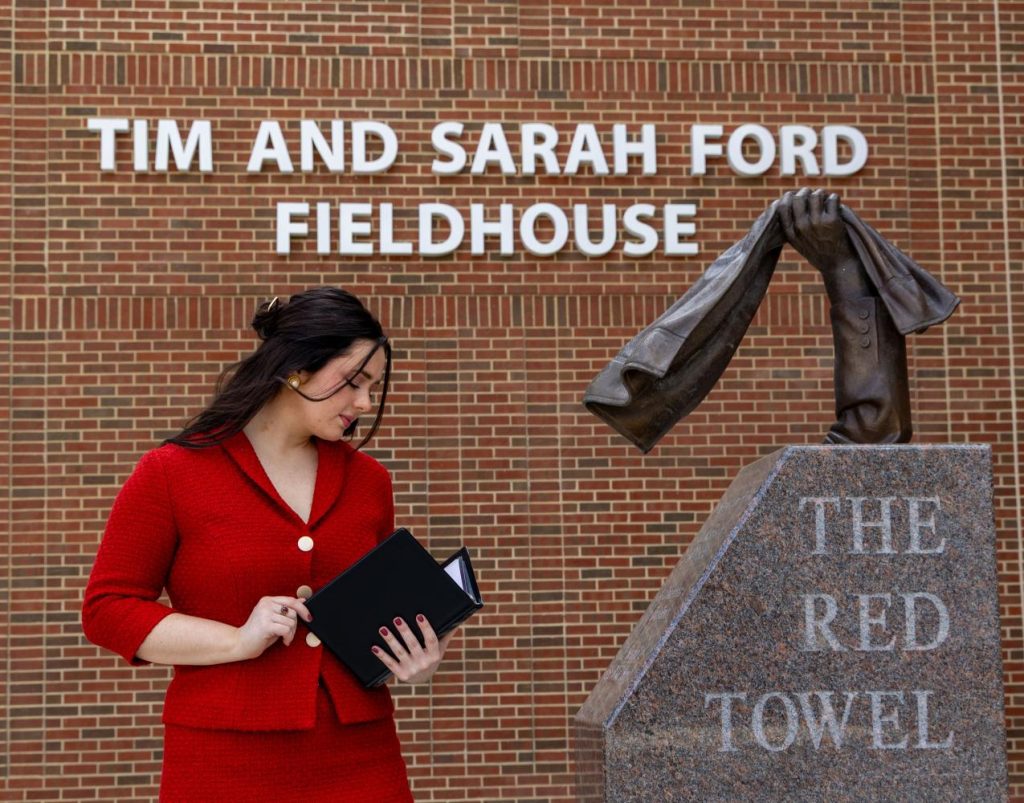
Elizabeth Allen, a sophomore in professional legal studies from Portland, Tennessee, said one of the main reasons that she came to WKU was to be a part of the Forensics team.
“We’re a very competitive and successful team, and we get many, what I would consider famous people, on our speech circuit, from all over the country to come here,” Allen said. “I love it. I couldn’t be anywhere else.”
Forensics is WKU’s speech and debate team, consisting of two separate teams, debate and individual events. With both teams, Allen said that Forensics competes in three different types of 10-minute-long competitions, public address, impromptu speaking and extemporaneous speaking. All three require participants to practice their speaking and theatrical skills.
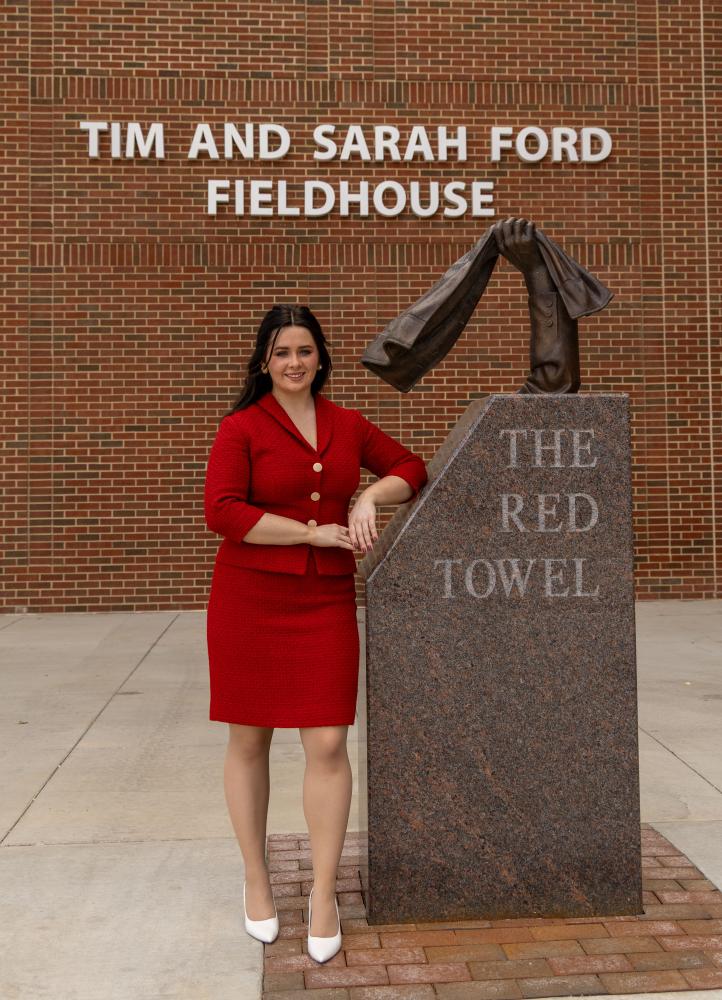
“On our team specifically, each of us have several events that we do across all these different platforms, and they’re all different pieces,” Allen said.
For the past five years, Allen and the team have called what they have dubbed “their little shack” their home and practice space at the top of the Hill between Kelly Thompson Hall and Cherry Hall. The house holds offices for coaches, a singular practice room equipped with a mirror and spaces for congregation.
“Sometimes we find ourselves fighting over [the mirror],” Allen said. “Sometimes when it gets crowded, of course, you have a team of three people, and everybody wants to use it, but there’s space in there.”
Allen said that the team considered their office to be a very homey place.
“We’re very close as a community,” Allen said. “We’re in the same office, and we’re going to still be in the same office, and I’m very happy about that.”
Allen and her teammates also operate out of KTH, using empty classrooms to practice and run through their performances. However, Allen said she has to be very mindful of the spaces she is practicing in, with some of the pieces surrounding heavy topics.
“If you take away the competition and you take away our expectations, we are advocates through our pieces,” Allen said. “We share our own stories, we share our loved ones’ stories [and], we share our family stories.”
For her, she said the Forensics office is a safe space to share vulnerabilities and uplift other members of the team. She said she is excited to replicate that space in their new “forever home” in the fieldhouse.
“I’m hoping that we can still find some area in the new building to have some of that comfort level,” Allen said.
The space marked off with a door dedicated to the Forensics team includes walls of photos of alumni, classrooms, offices and a small living room area. Allen said the photos of alumni make her proud, since she had been trained and even competed alongside some of them.
“It’s a reward for alumni, although they don’t get to use the space,” Allen said. “I hope that they get to feel that sense of pride, like, ‘yeah, I put something into this program that made it so recognizable.’”
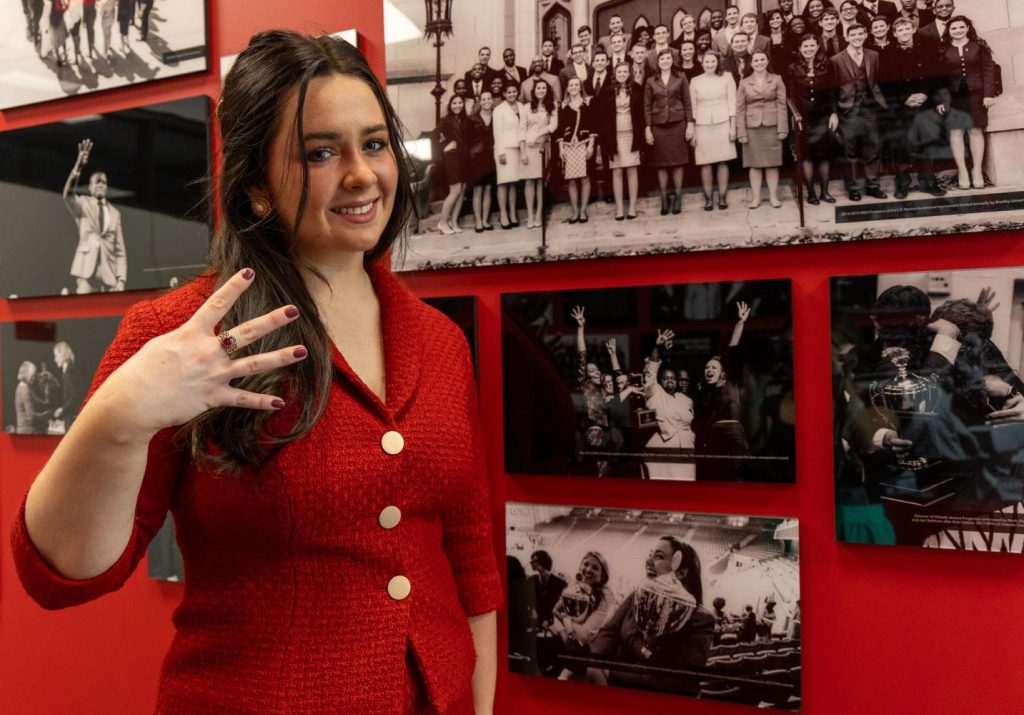
Allen said some of the pros of the new building that she has seen are the closeness of the offices. She said that her coaches communicate very frequently, yelling at each other across offices.
“There’s always laughter; there’s always joy up in that office,” Allen said. “Even if your teammates are doing their loud piece in the room next door, that’s good.”
Allen said she is also excited about the more central location on campus, right next to another competitive space, Smith Stadium.
“We take our job very seriously, and we’re not athletes, in the sense that most people think, but we train, we practice, just like everybody else,” Allen said. “I’m super excited to continue that competitive nature.”
The only drawback to the new space that Allen said she has observed is the lack of a mirror, which is essential to their practices but is only known to be needed by those in Forensics.
“Watching ourselves perform in mirrors and reflective spaces and in front of other people is really what drives our critiques,” Allen said. “Having that space to reflect on ourselves and our teammates is super pivotal.”
But, even through drawbacks, Allen said she feels like the space is a promise to the team.
“I’m hoping that now we can continue to serve our communities through showcases and all the other advocate work that we get to do,” Allen said. “I think it’s a promise for us back to the campus.”