

Story by Abigail Vickers
Photos by Ella Johnston
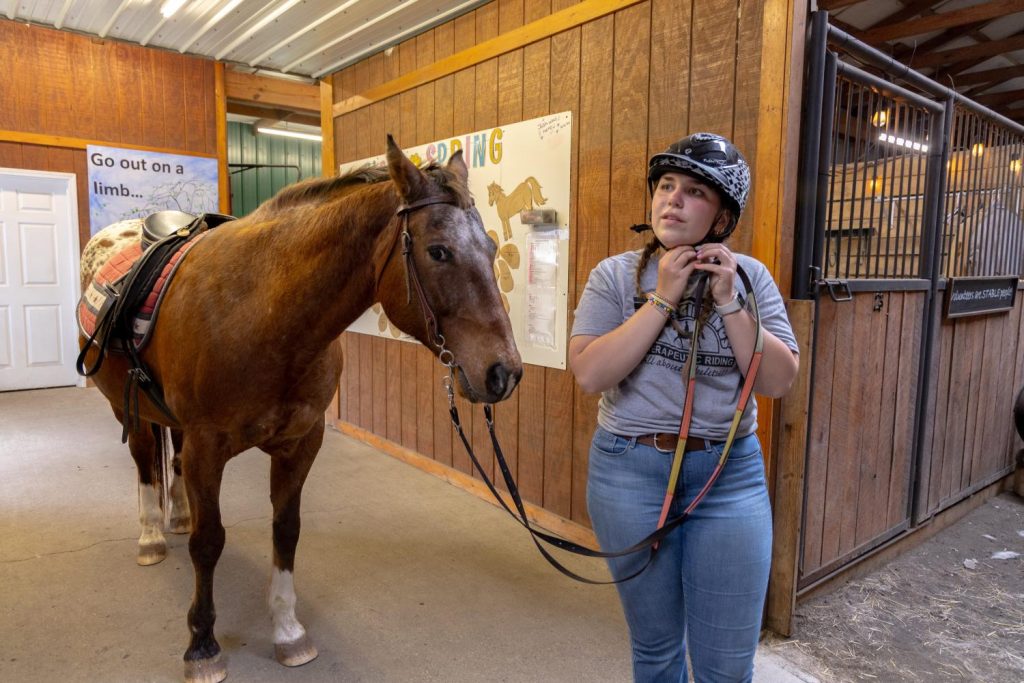
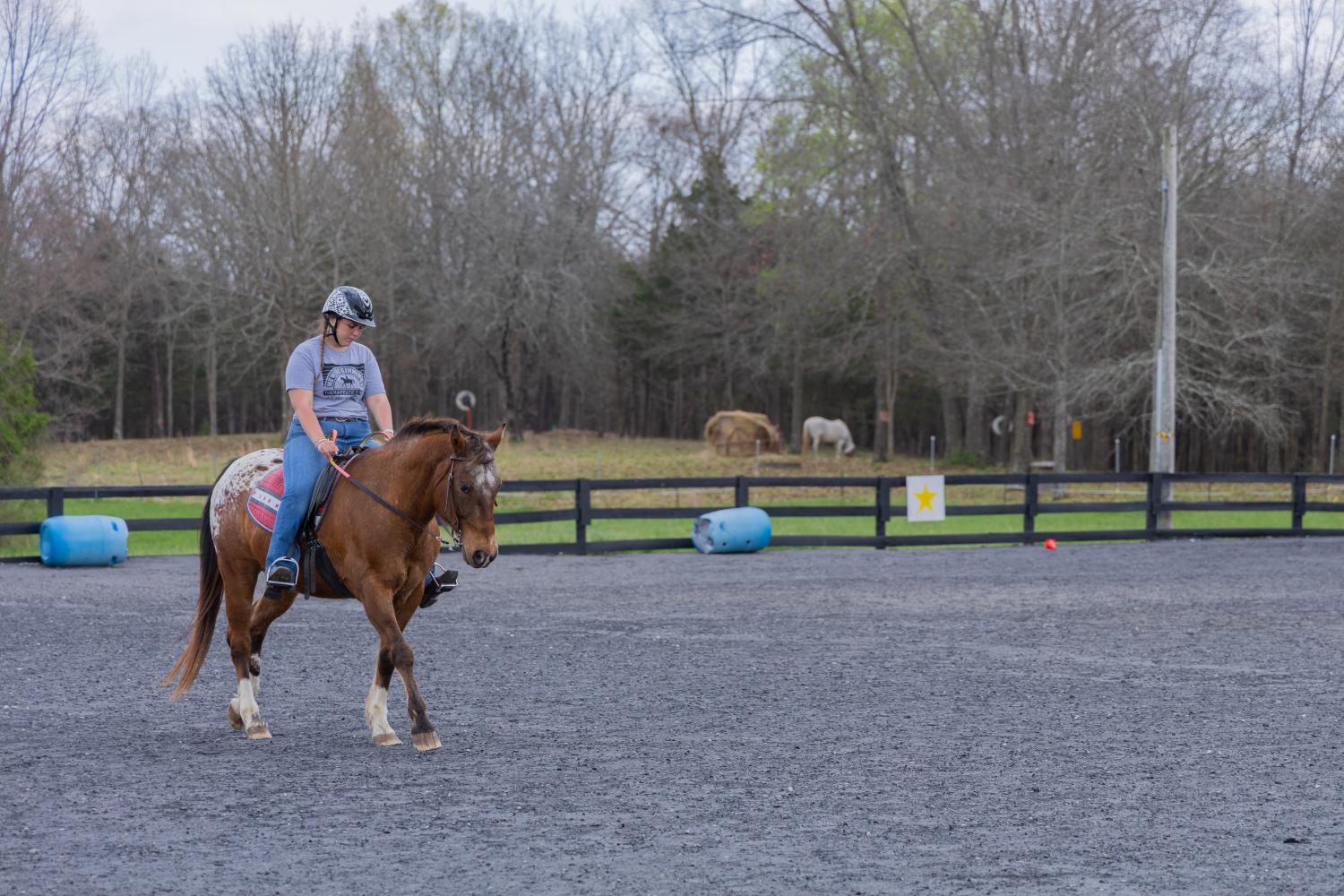
For 45 minutes each week during the past 26 years of her life, alumna Elizabeth Roberts from Bowling Green said she combines therapy and fun by taking classes at New Beginnings Therapeutic Riding (NBTR). Elizabeth Roberts said she has been riding horses at NBTR for almost her entire life, and with a push from her instructors, is thinking about becoming an instructor in the future.
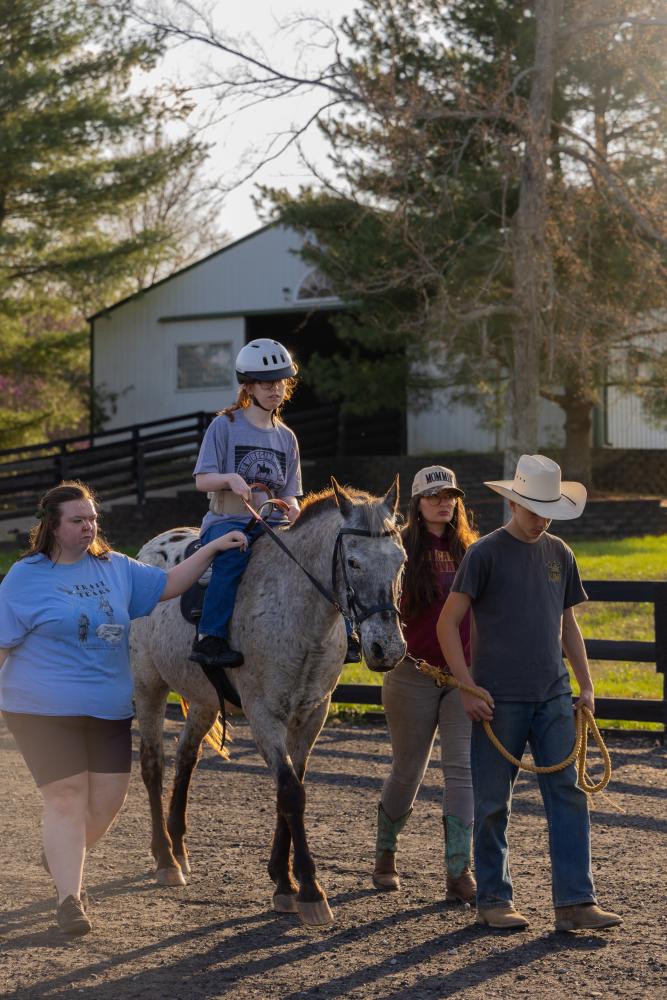
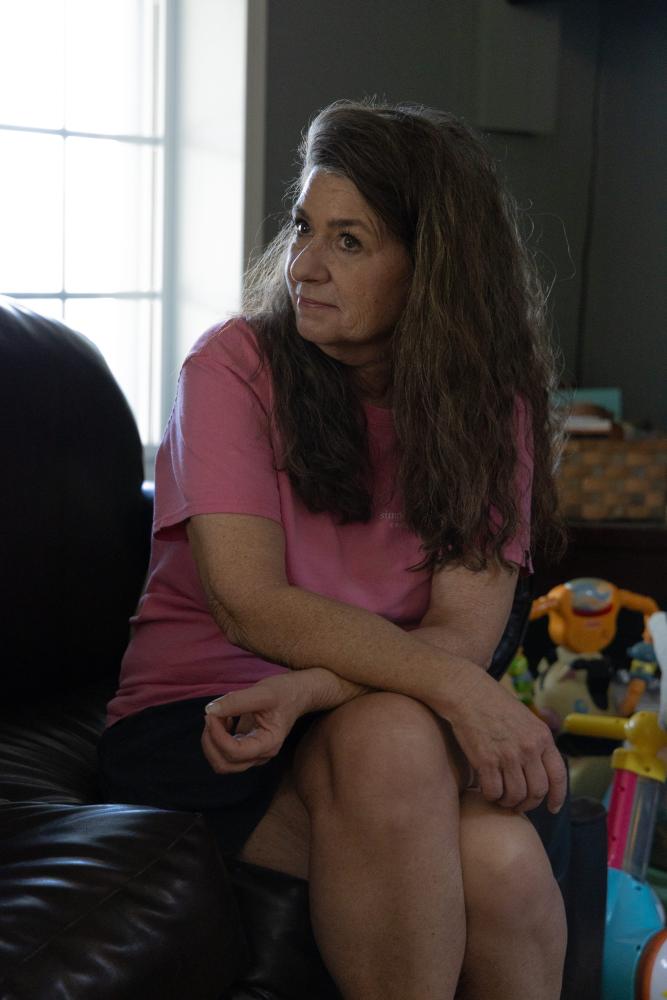
Bowling Green resident Kim Roberts, Elizabeth Roberts’ mother, said she drives her daughter to classes each week at NBTR. Standing against the fence during a lesson, Kim Roberts smiled as her daughter and the instructors led her horse around the ring.
“I like the confidence it gives her,” Kim Roberts said.
According to its website, NBTR is a nonprofit organization dedicated to serving individuals with disabilities and enhancing their lives using the power of horses.
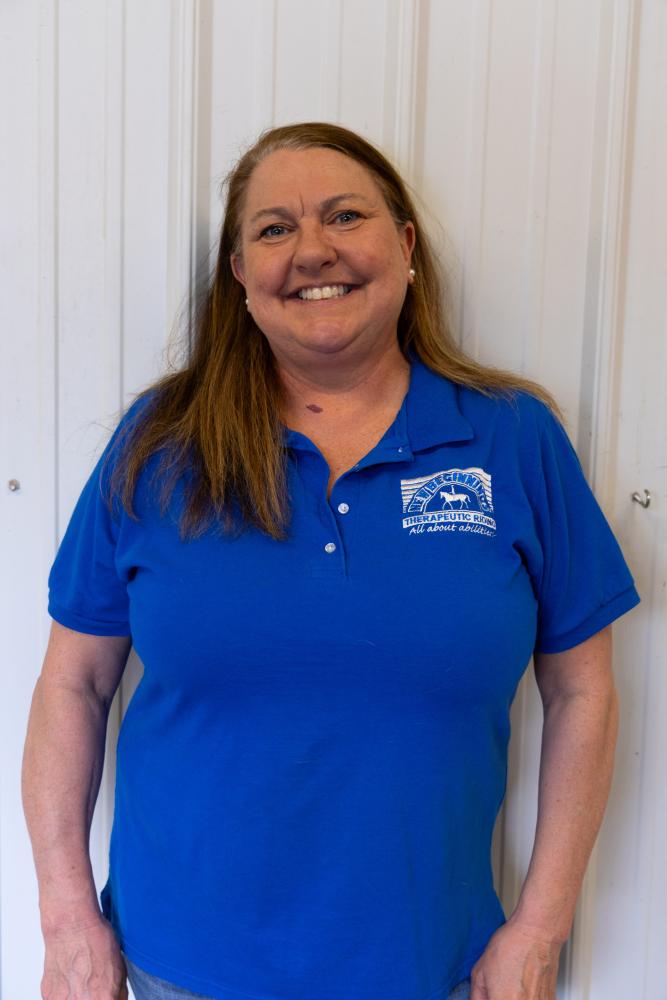
NBTR Executive and Program Director Michele Vise said NBTR has been active for 29 years and was locally opened in 1997. She said NBTR utilizes horses as an extension of therapy for the riders, and all participants must be medically approved to participate in the program.
Vise said NBTR accepts riders five years old up to adults with any behavioral, emotional, mental or physical disabilities, and it costs $40 per 45-minute class per student. She said this is a discounted rate since a lesson typically costs $95, which means all students are riding on a scholarship.
Vise said schools and other organizations can pay to schedule group visits as well, including home school students, school field trips, special needs groups, substance abuse groups and more.
In the last year, Vise said NBTR has served 250 individuals. She said NBTR serves an average of 100 individuals each week, which includes therapeutic riding and group activities.
Riders must apply for the scholarship and be approved by the NBTR Board of Directors, according to NBTR’s website. Vise said a Rider Packet must also be completed to be accepted into the NBTR Program as well.
After hearing about the program from a nurse at her daughter’s pediatrician’s office, Kim Roberts said she began taking Elizabeth Roberts to lessons at NBTR when she was three or four years old. She said her daughter was diagnosed with cerebral palsy, which affects movement and posture, and feeling the warmth of a horse while riding helps relax tightness in her legs.
Through NBTR, Kim Roberts said Elizabeth Roberts is able to enjoy therapy and be part of a community.
NBTR Head Instructor and Director of Operations, Olivia Willis, has been with the organization since 2014. Willis said she knows a lot of adult riders who have taken classes at NBTR since they were kids, and Elizabeth Roberts was one of these students.
“She was one of my first students here when I started my instructor training,” Willis said.
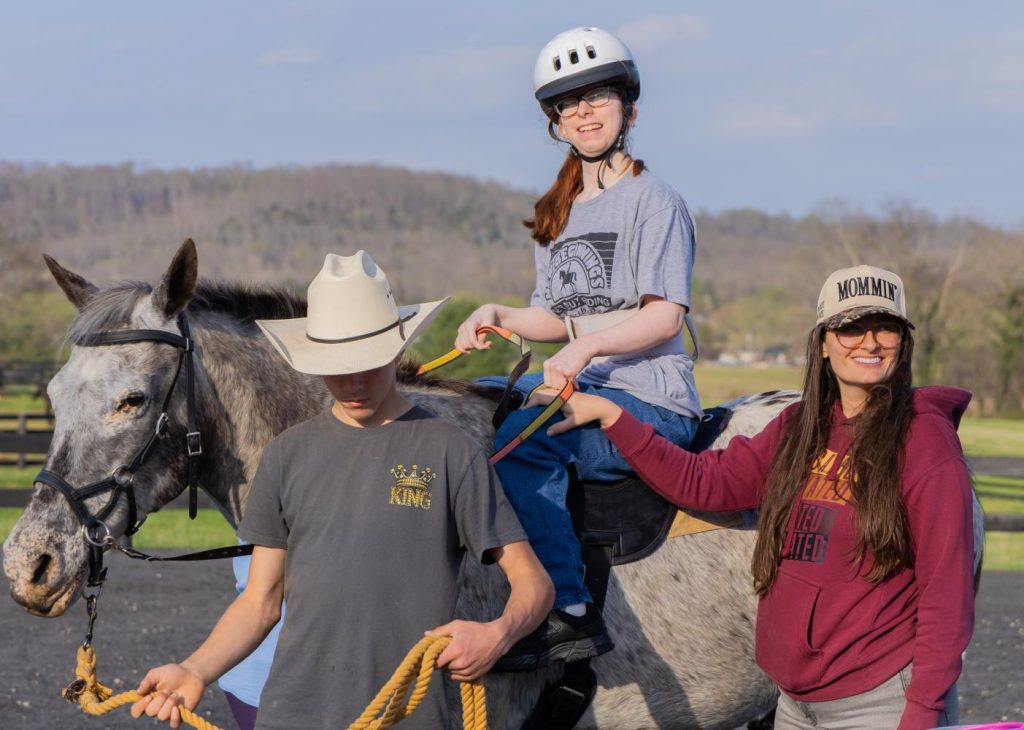
Willis said there are many benefits to horses, especially in the field of therapy. NBTR has five horses and two miniature horses.
According to the website of the Helen Woodward Animal Shelter in San Diego, California, the ability to work with horses provides tremendous physical and psychological benefits, especially for those who can’t participate in many group, outdoor activities.
The Professional Association of Therapeutic Horsemanship International (PATH Intl.) was founded in 1969 to promote safe and effective therapeutic, or adaptive, horseback riding throughout the United States and Canada, according to PATH’s website.
“PATH Intl. advances professional equine assisted services by empowering its members, credentialed professionals, partners and the public through rigorously developed standards, credentials and education that recognize the power of the equine-human relationship,” according to PATH Intl.’s mission statement.
Willis said NBTR instructors are required to become a PATH Intl. Certified Therapeutic Riding Instructor (CTRI), which Willis became in 2015.
The CTRI credential is for entry-level individuals in the equine-assisted services (EAS) profession who provide riding instruction and therapeutic value to people with disabilities. This certification, according to NBTR’s website, ensures that the programs are delivered with the highest standards of safety, effectiveness and care.
Willis became a PATH Intl. CTRI in 2015 through NBTR. She said there are many physical and psychological benefits to therapeutic horse riding.
For example, Willis said a horse’s heartbeat is much lower and slower than a human’s heartbeat. She said when a rider’s heartbeat syncs with their horse’s heartbeat, it helps to reduce their stress and regulate their emotions.
“Horses are just so healing,” Willis said.
Kim Roberts said there’s also a lot of exercise involved when riding horses. She said the movement of the horse helps her daughter’s muscles relax, and it also increases balance and flexibility.
Kim Roberts said it can be difficult for those with physical or cognitive limitations to find activities they can do in a group setting, so NBTR has given her daughter a great opportunity to connect with others through fun and healthy activities.
“Besides the health benefits, it gave her something to belong to,” Kim Roberts said.
Kim Roberts said her daughter met “one of her dearest friends” through NBTR, and they are still friends today. Elizabeth Roberts said her friend has been there for her since her first day at NBTR, and they became more than just riding partners over the years.
“She no longer rides, but they still talk and we still all meet up and have dinner or go to a movie,” Kim Roberts said.
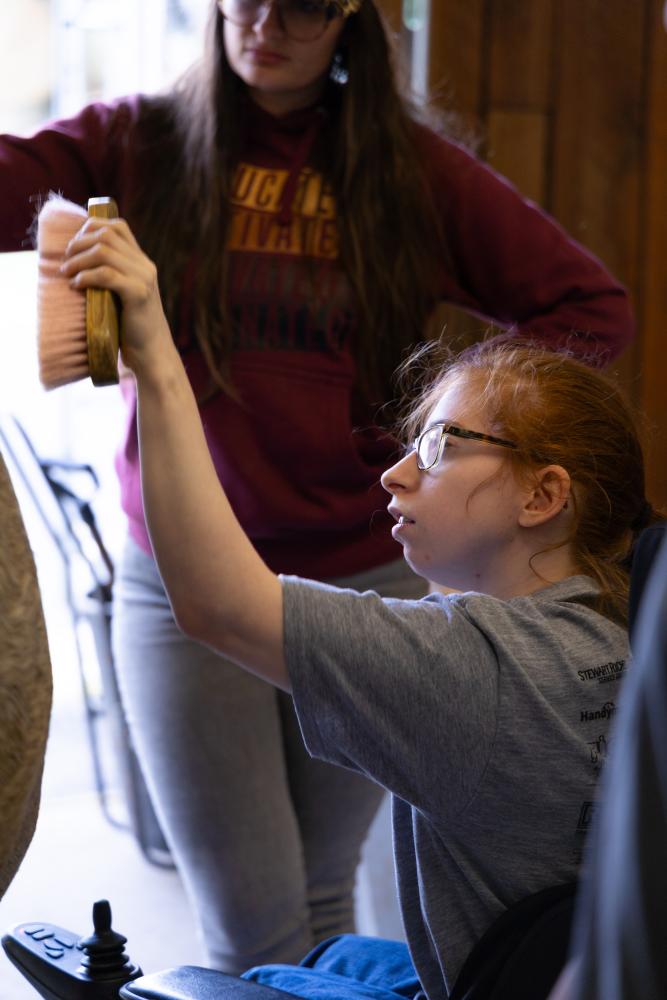
Elizabeth Roberts said over the past two decades, riding at NBTR, it’s been interesting to see the new kids starting. She said she understands how students may feel scared of trying something new at first.
“It’s okay to be scared to try new things,” Elizabeth Roberts said.
Elizabeth Roberts said regular therapeutic workouts are exhausting on their own, but horse therapy is exhausting and fun at the same time. She said she has grown very close to all the instructors at NBTR, and they are even trying to convince her to become a certified instructor for incoming students.
“That’s kind of a beautiful thing with New Beginnings,” Elizabeth Roberts said. “You make friends, family and it’s just a wonderful program.”