

Story by Lillie Nhep
Photos by Carlee Hite
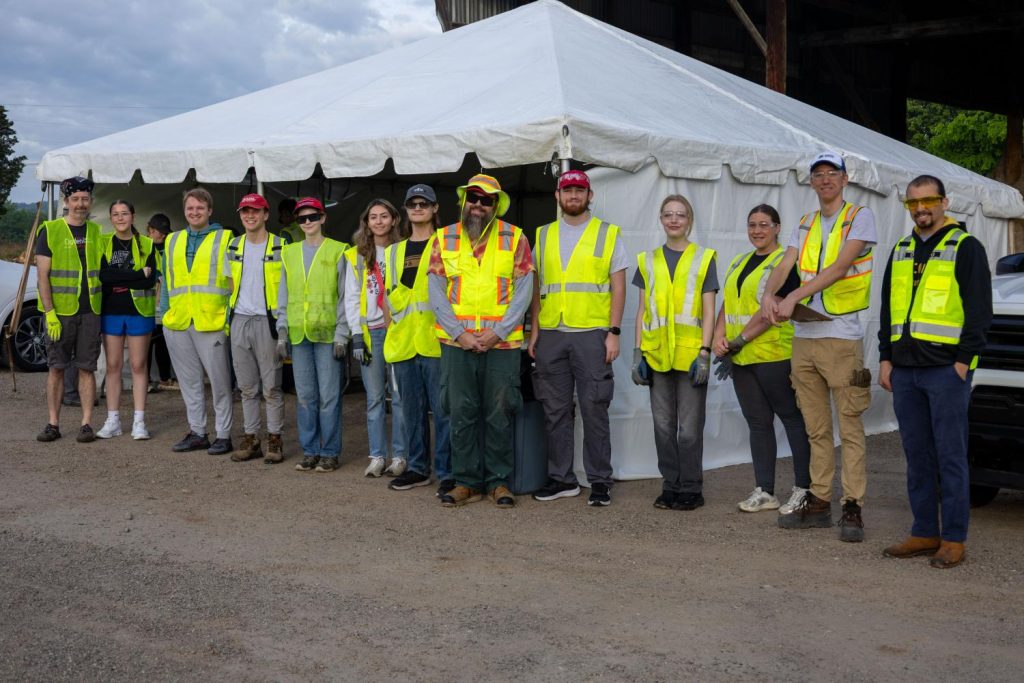
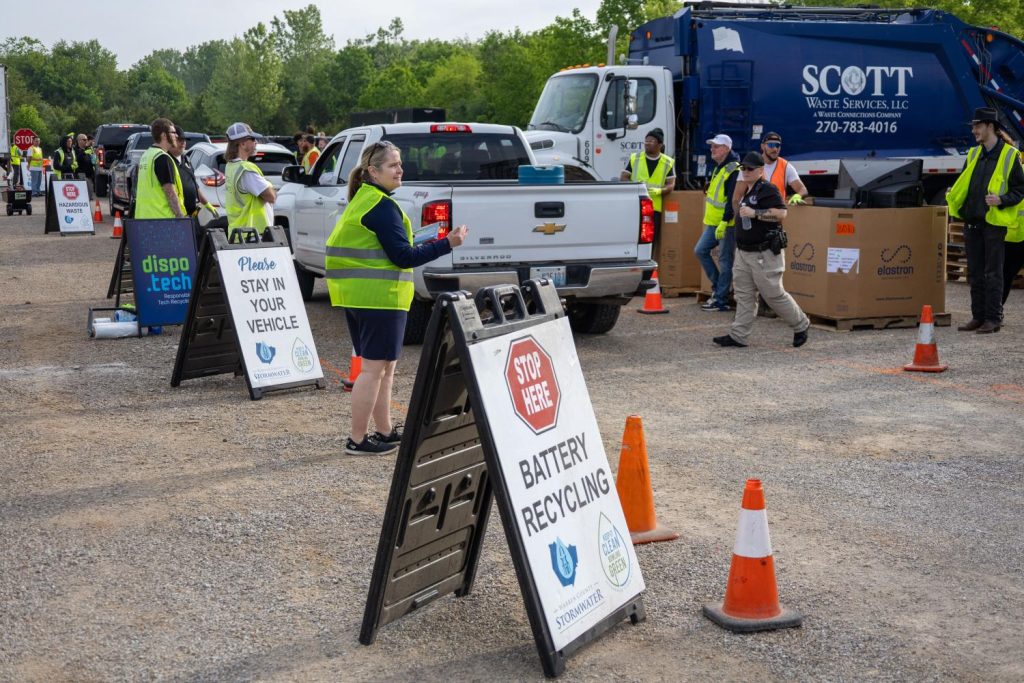
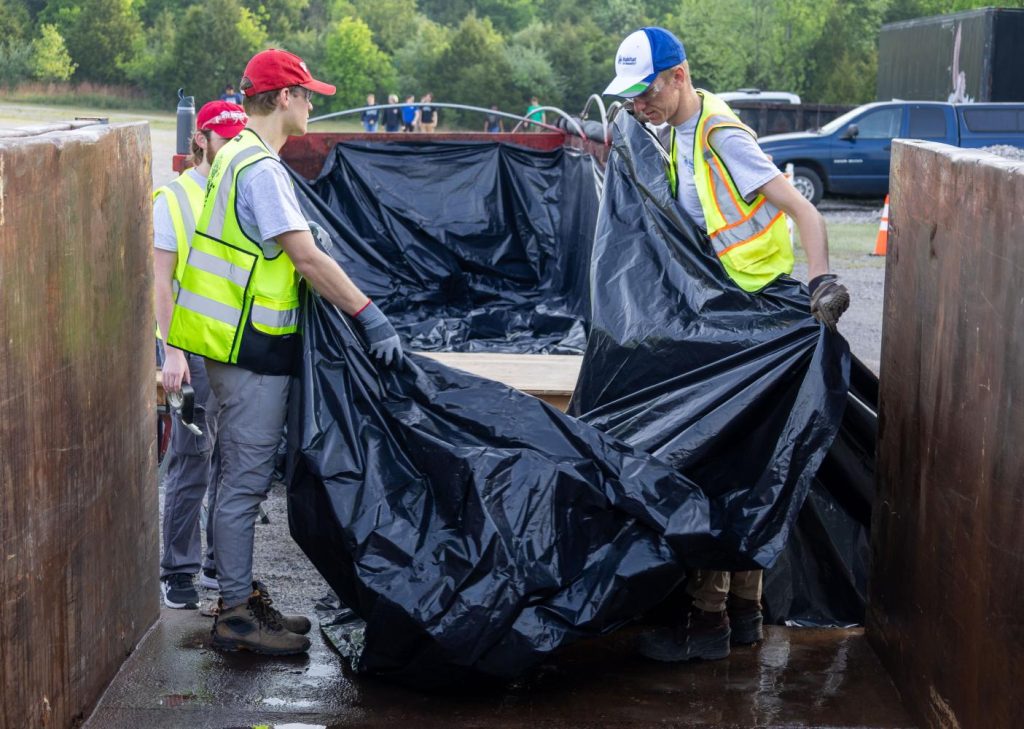
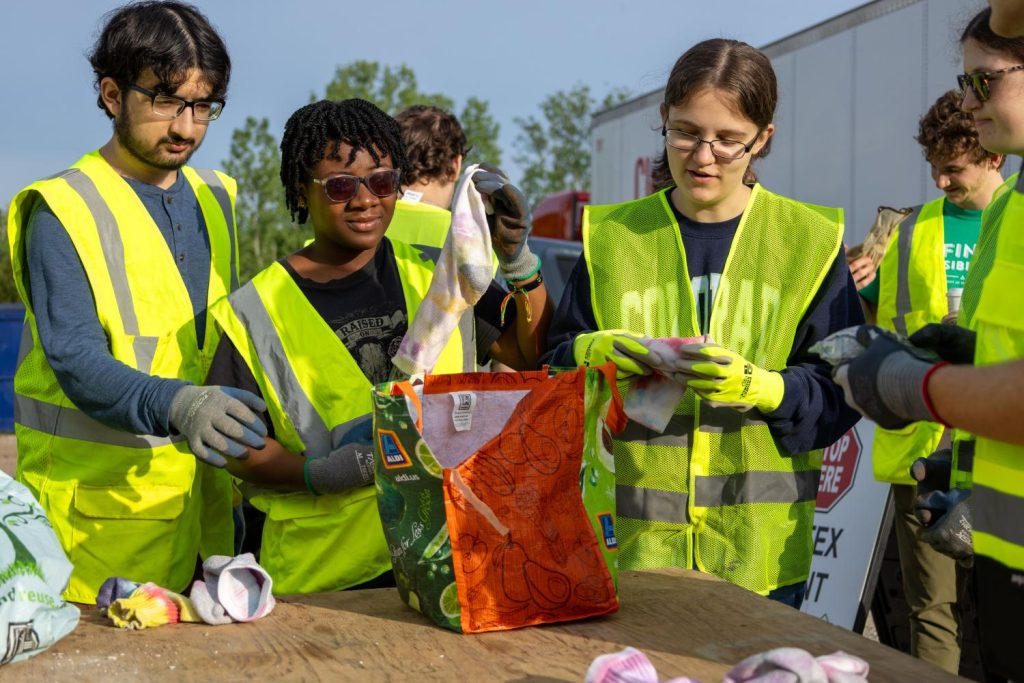
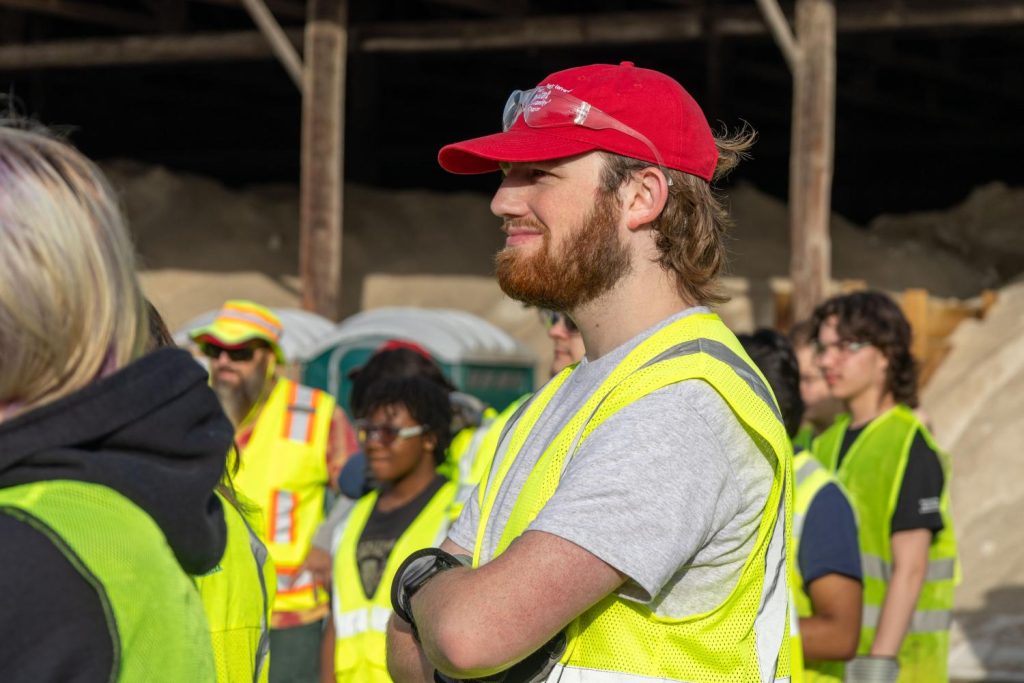
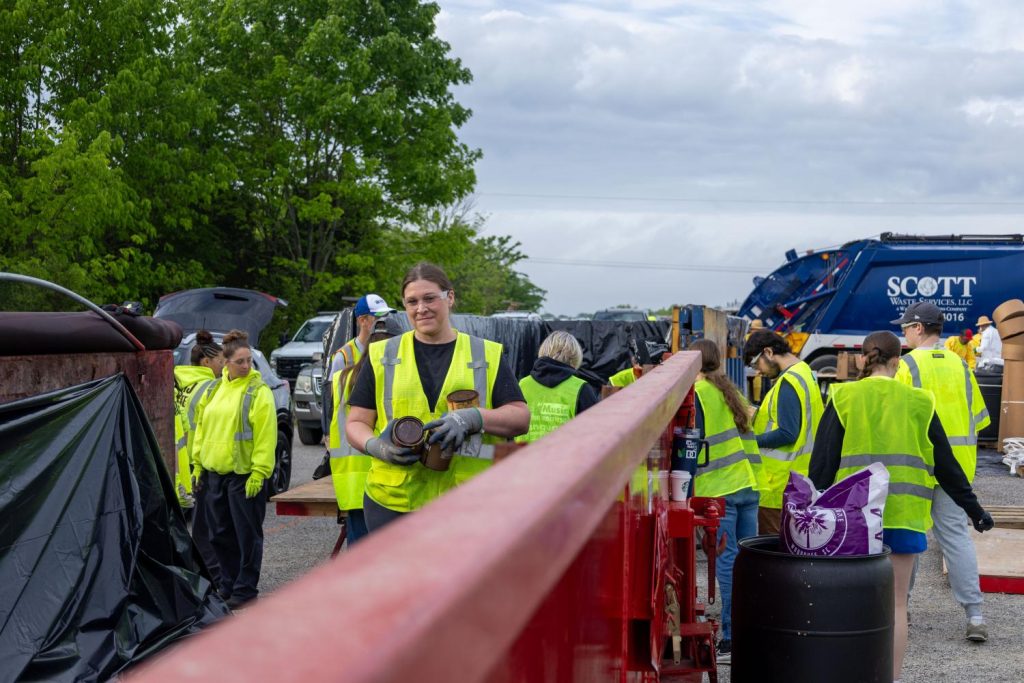
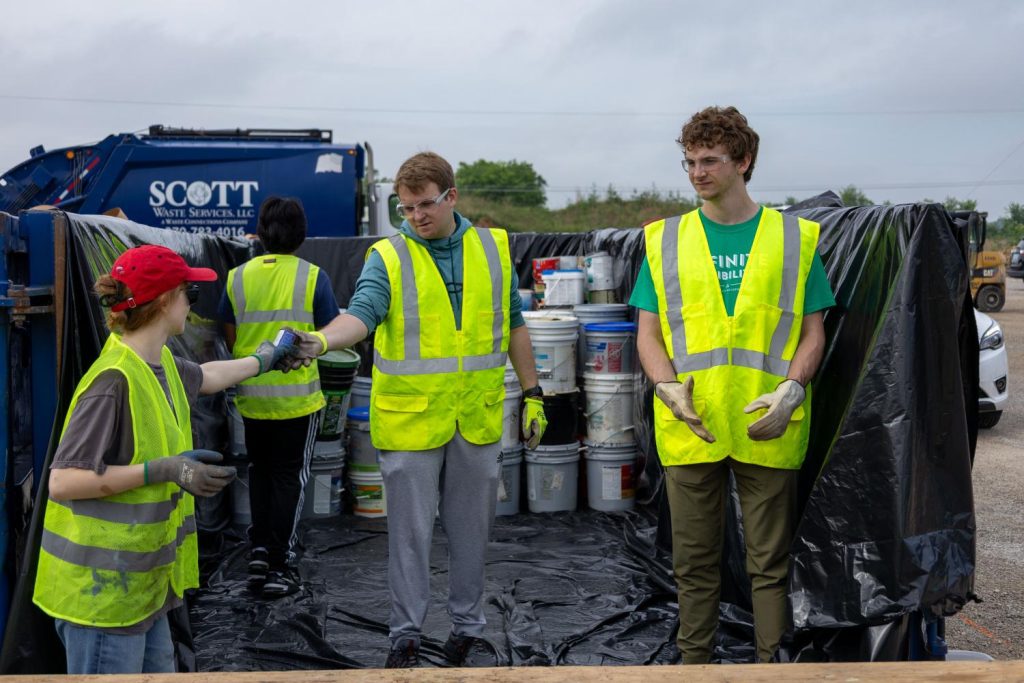
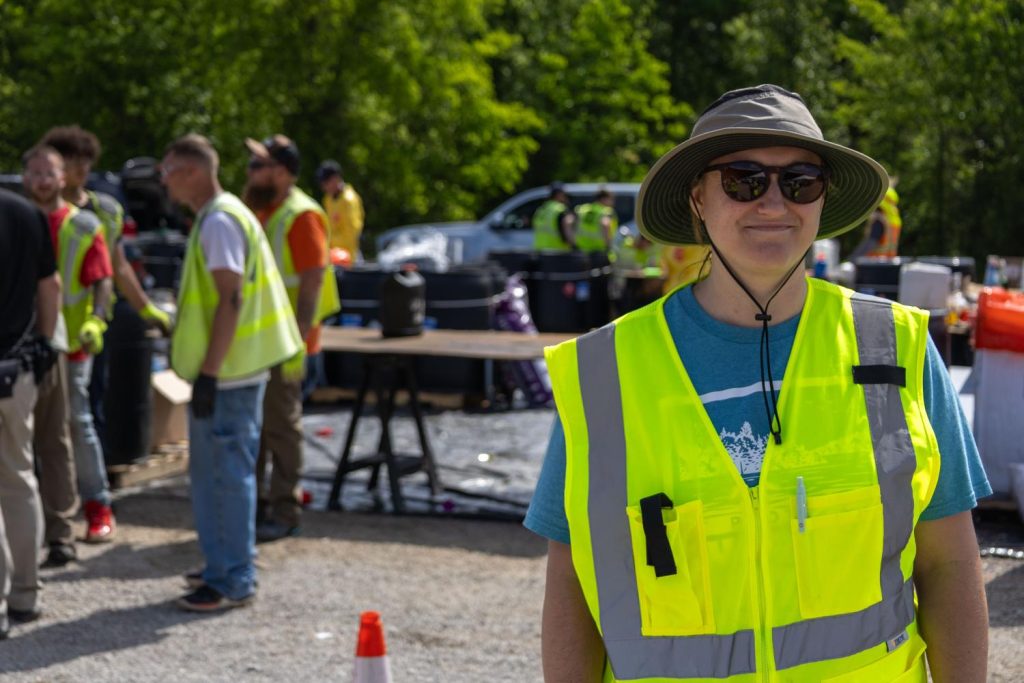
Community members gathered on the outskirts of Bowling Green on Saturday, April 25 to volunteer and participate in the Household Hazardous Waste Day hosted by the Warren County Division of Stormwater Management.
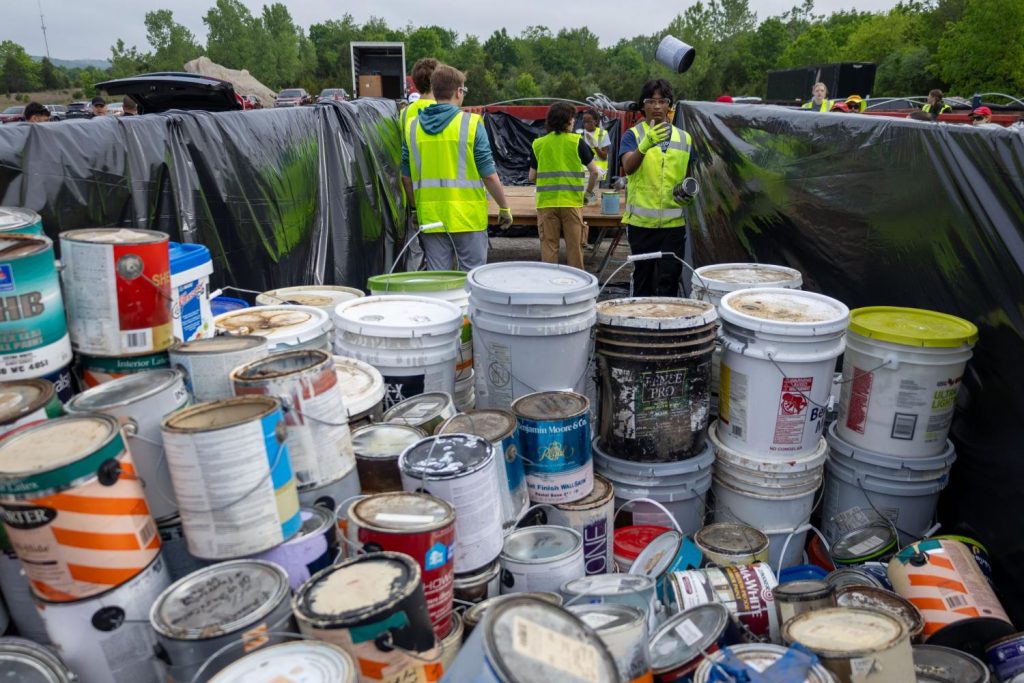
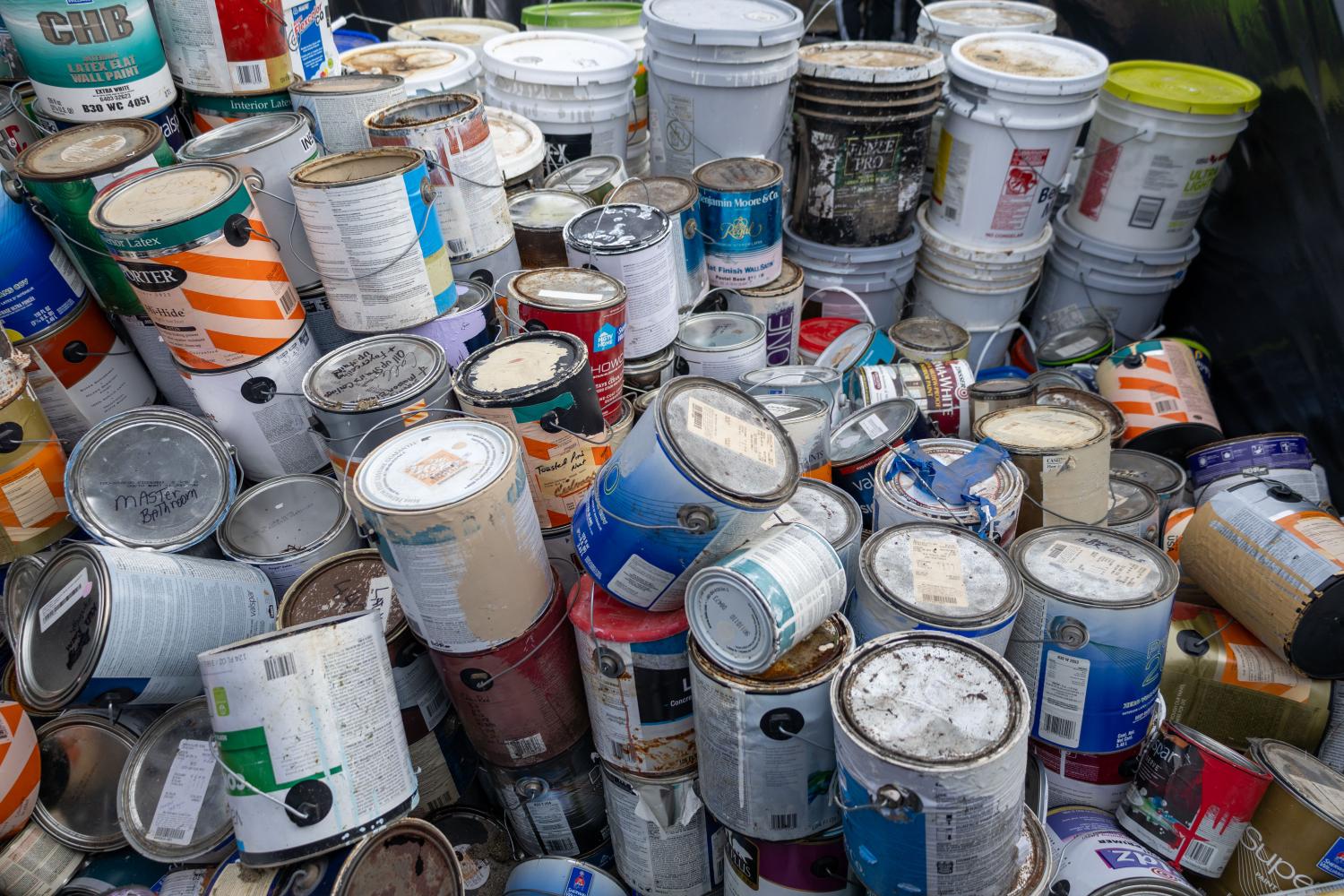
According to their website, this community-based event helps residents of the community take household items like paint, anti-freeze, oil and other undesired household items and dispose of them properly.
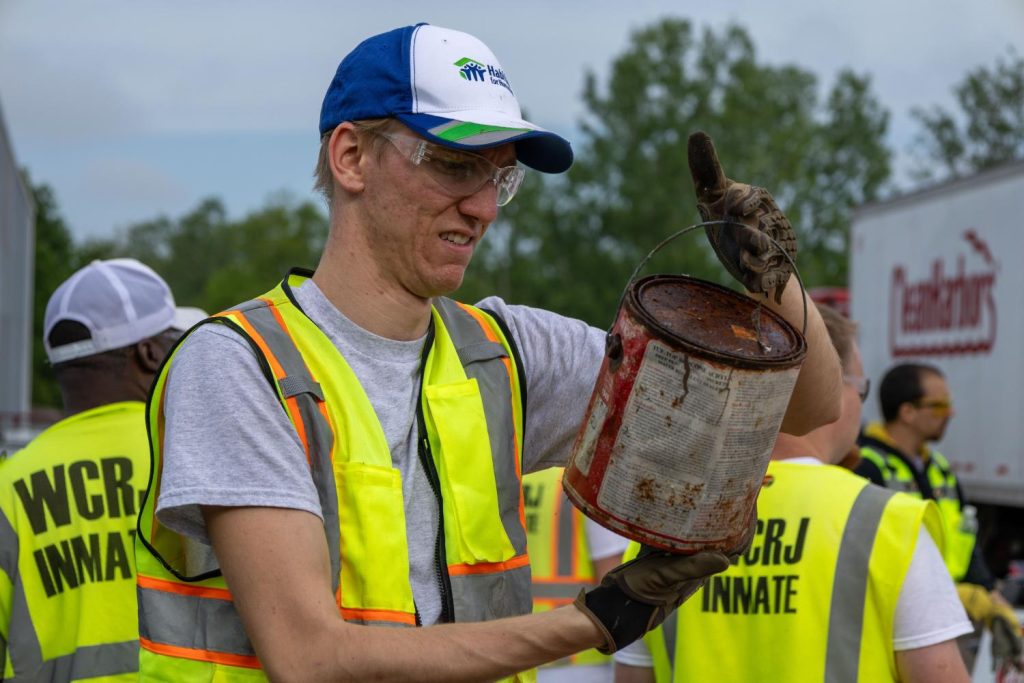
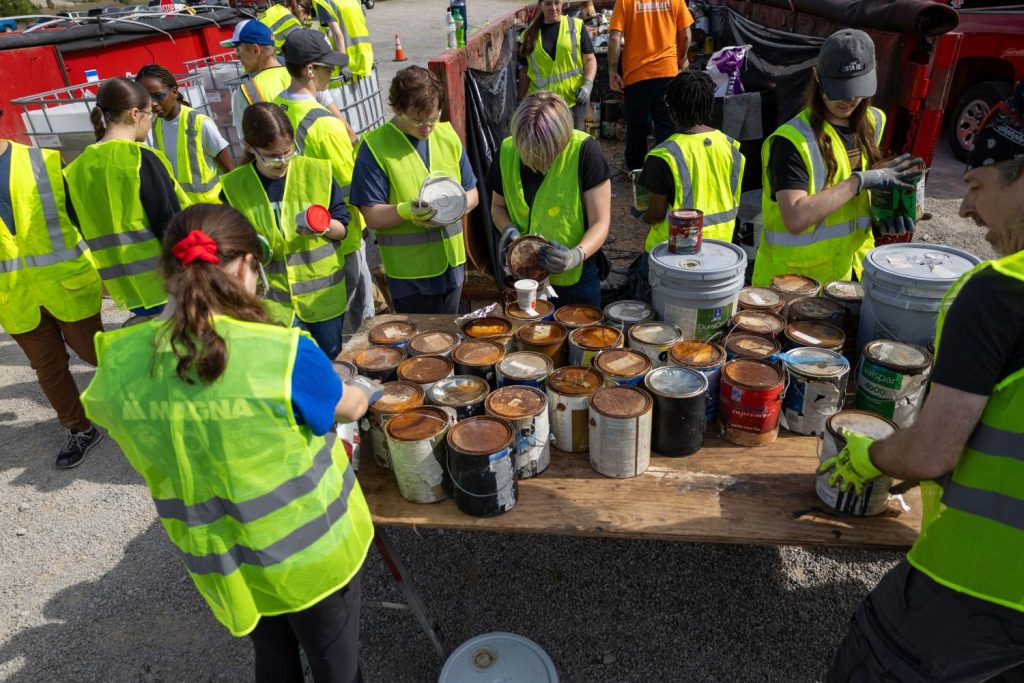
Located just off Louisville Road, the event took place from 8 a.m. to 1 p.m. with volunteer members ranging from local residents, WKU students, inmates from Warren County Regional Jail and other organizations listed on the Warren County website.
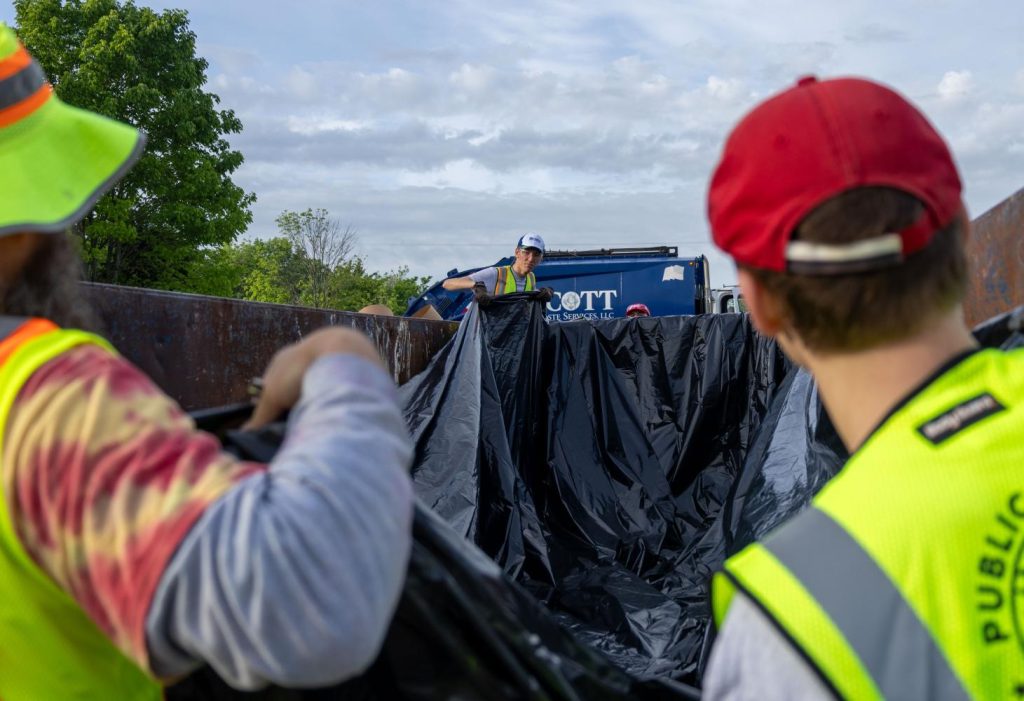
Through a drive-thru and drop-off system, residents and community members could drive by and drop off “needless waste at home,” according to the Warren County website.
Director of the Warren County Stormwater Management, Nikki Koller, said that this event is partially funded by a grant through the state. Alongside the grant, she said that other partners and sponsors help provide their services such as Habitat for Humanity.
Habitat for Humanity is an international nonprofit housing organization that hosts within communities across the U.S. and in 70 other countries according to its website. To differentiate themselves, Bowling Green and Warren County and WKU’s Campus Chapter have their own organizations under Habitat for Humanity.
Koller said that some volunteers come from the Warren County Regional Jail through a Class-D Program. According to the Warren County Regional Jail website, the Class-D Program allows for Class-D felonies to perform work for the government and non-profit agencies.
“Half of the people here were volunteering during COVID,” Koller said. “We cannot do this without them.”
She said that these kinds of events are important to the community because people are sometimes unaware that these varieties of items could have a negative effect on the environment. Not only does this affect our water supply, Koller said that this “degrades the landfill” if not properly contained.
“I want to be a responsible community member,” Koller said. “Part of that, in the modern age, is dealing with some of these substances that are just more challenging to get rid of.”
Koller said that a lot of those volunteering alongside inmates and local residents are the Habitat for Humanity organization, specifically the WKU students and faculty.
Sophomore environmental, sustainable and geographic studies major Noah Jennings said that he’s been involved with WKU’s Habitat for Humanity for about four semesters.
He said that WKU’s Habitat for Humanity campus chapter has done several events with Bowling Green and Warren County’s Habitat for Humanity such as working on houses, cleaning out sheds and aiding in renovations.
“This is a good club,” Jennings said. “We do a lot of good work.”
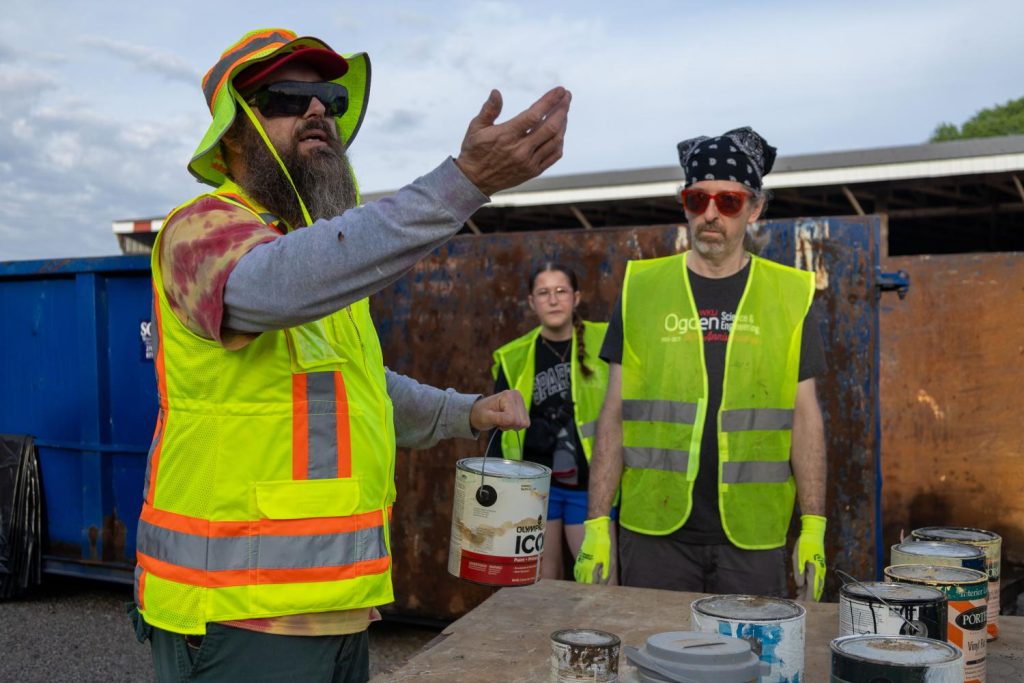
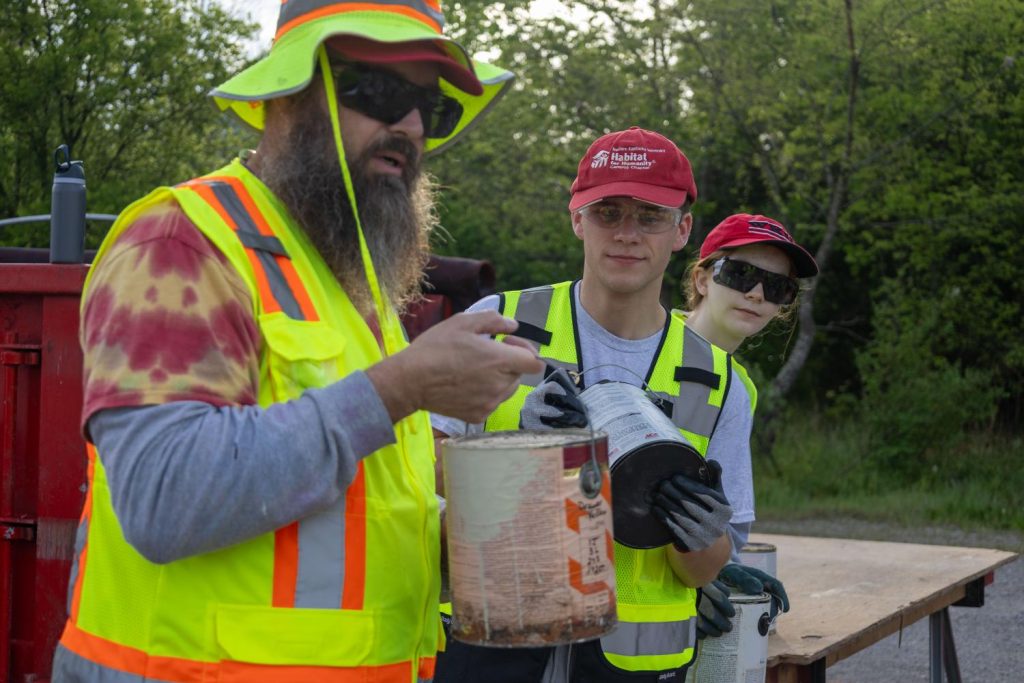
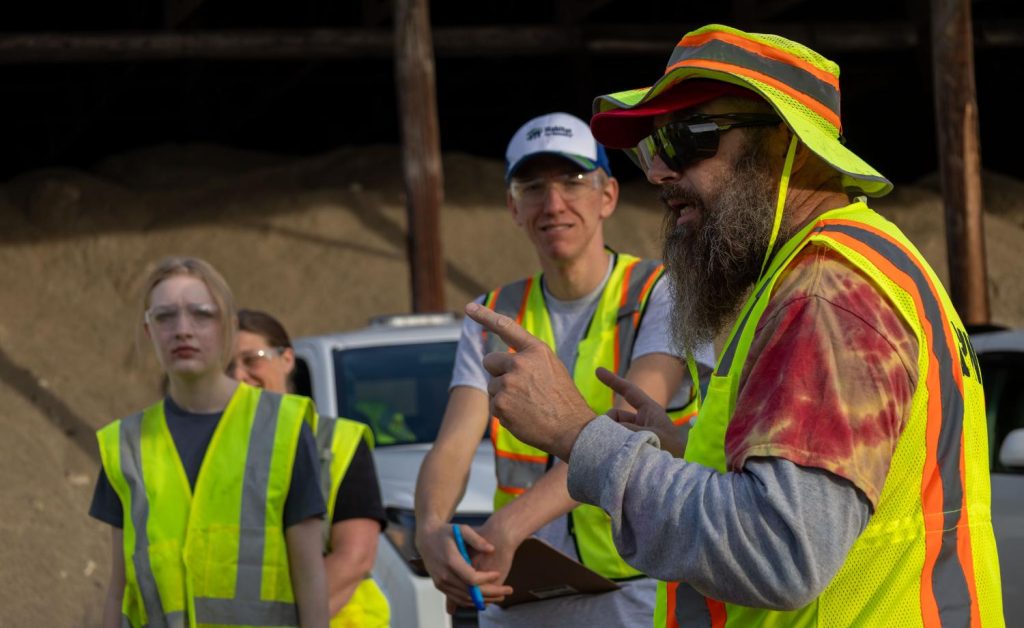
Associate Professor in the School of Engineering and Applied Sciences, Bryan Reaka, said he is the advisor for WKU’s Habitat for Humanity campus chapter. He said that their duties consisted of picking up jars of paints and inspecting each jar to determine if it can be disposed of or not.
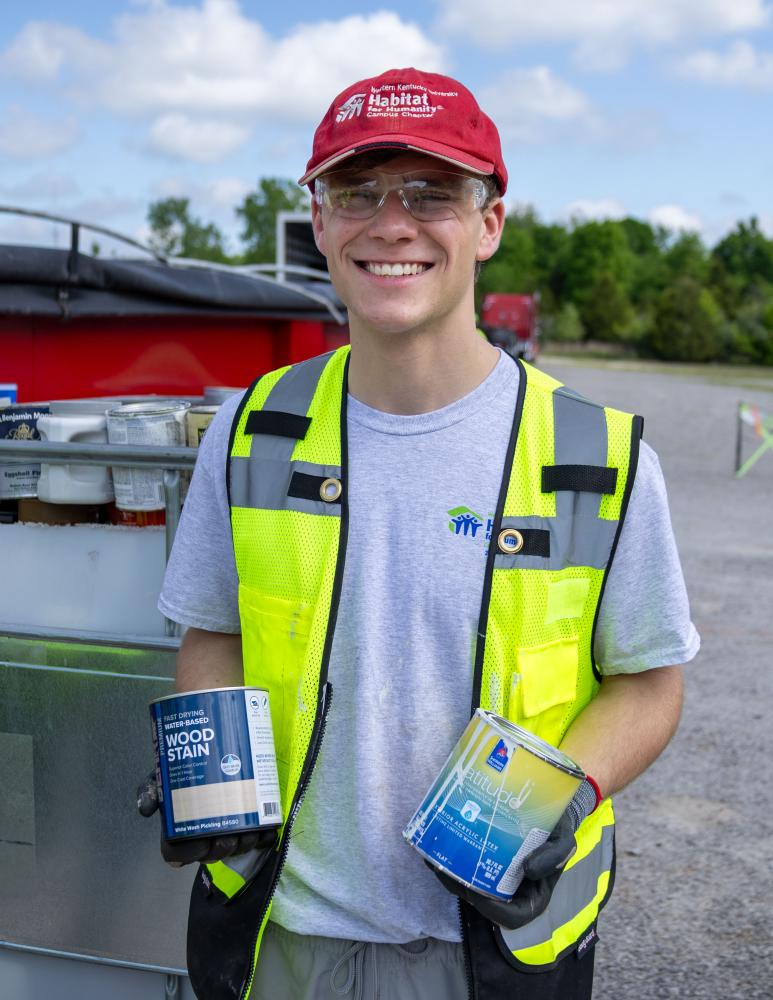
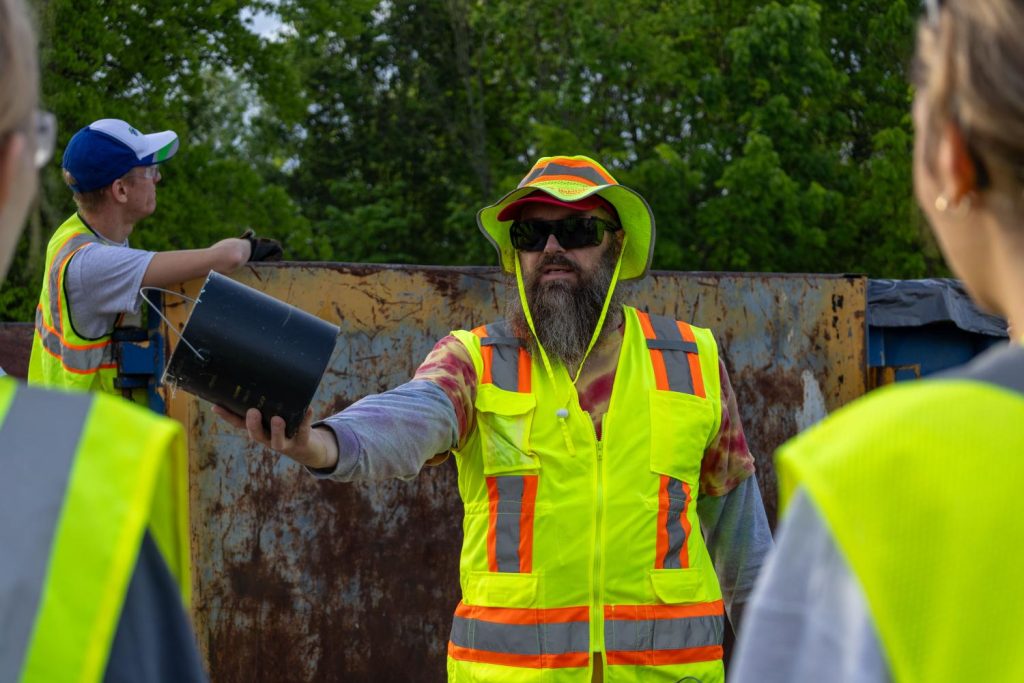
By collecting discarded paint, Reaka said it would be recycled into a whole new paint and then sold back to communities nationwide through Habitat for Humanity.
“We take the good paint, the latex paint, and it is sent to Columbus, Ohio where it is repurposed by veterans,” Reaka said.
Through these veterans, he said that the paint is taken and mixed within a vat, to create new reusable paint colors.
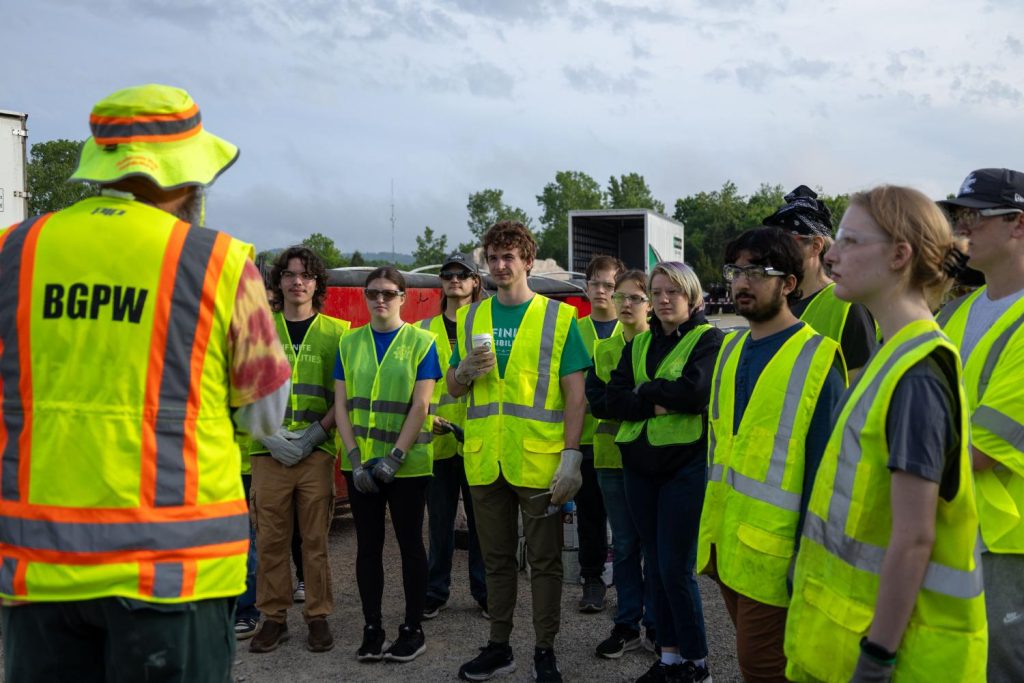
Sophomore environmental, sustainability, and geographic studies major Noah Stumbo from Union, Kentucky, and several other WKU students and faculty gathered on the back end of the event’s drive-thru and drop-off system.
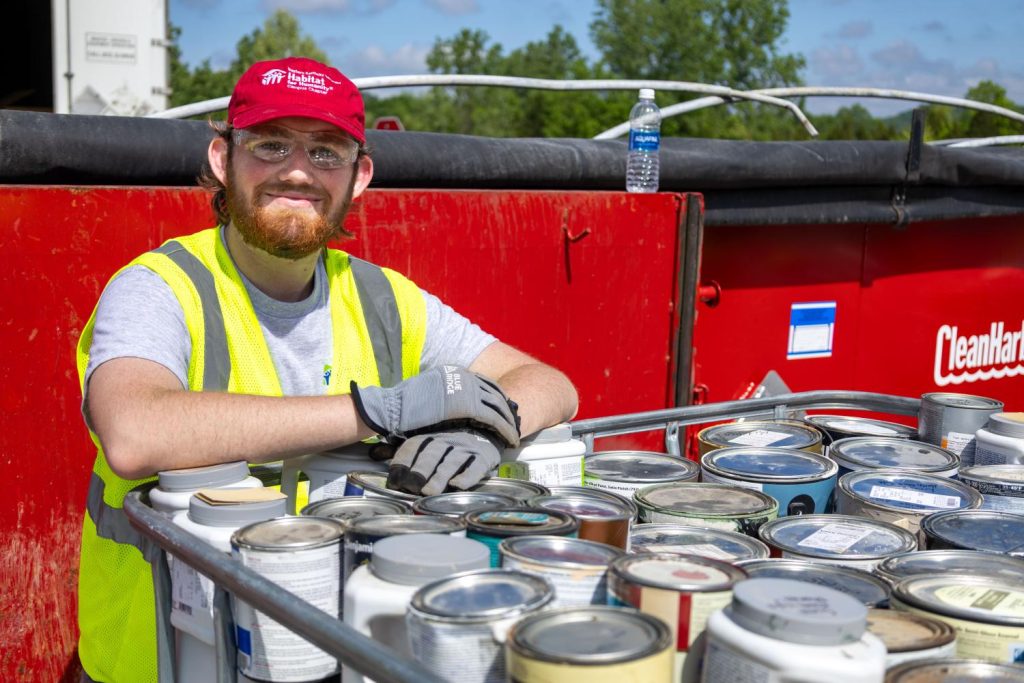
Stumbo said that he found Habitat for Humanity through volunteering around the local community.
“Growing up, volunteering was always a big part of my life, both academically and just as a family,” Stumbo said. “When I got to college, I was immediately searching for different ways to get out [into a] certain community.”
Stumbo said that through Habitat for Humanity, he was able to engage in various forms of volunteering, such as building sheds or cleaning houses for renovation.
“It really is just a very unique and powerful experience to be able to go in person and help others,” Stumbo said.
Stumbo said that he was first introduced to WKU Habitat for Humanity through his resident assistant his freshman year.
“When I was trying to look for ways to make connections, kind of get out there as a new college person, having someone who is a member, and kind of has an in, was a really great way to help get into the community,” Stumbo said.
Reaka said that a variety of students with different majors came out to volunteer, and that environmental issues are “not an issue that is just earth and environmental science.” Not only are these students helping their community, but they are helping future generations.
“No matter what, the most limiting resource that we have in this world is our time,” Reaka said. “And they’re donating their time to help.”